BUYER'S GUIDE · INSPECTION AND MATERIALS

Which microscope do I need for inspection or materials work?

Updated · Labo America product team
THE SHORT ANSWER

For PCB inspection, soldering and assembly QC, use a stereo zoom microscope: the Luxeo 6Z for a modular setup with a choice of stands or the Luxeo 6i for apochromatic optics and documentation. For polished metal samples, use the MET 400 metallurgical microscope. For crystals, minerals and fibers under polarized light, use the Lx POL. For objects too large to put under a bench microscope, such as paintings, vehicle parts and airframe components, use the Prima Lite floor stand microscope in its inspection configuration.

OUR PICKS

Which LABOMED® model fits which practice.

If you areChooseWhy
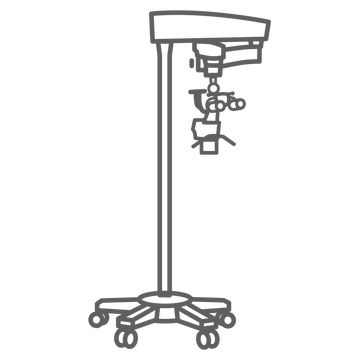
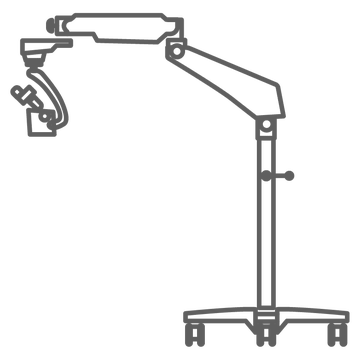
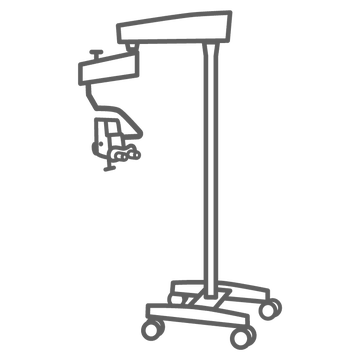
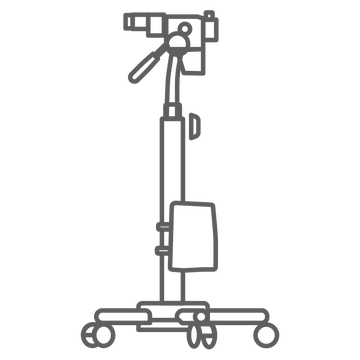
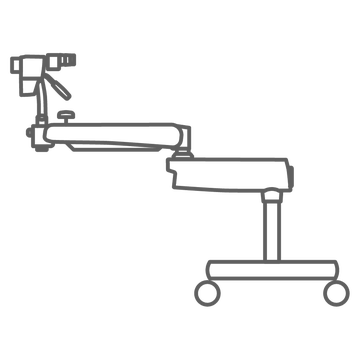
Large or immovable objects: art, vehicles, airframesPrima Lite IndustrialFloor stand with a swinging arm, 5 step changer from 0.4x to 2.5x, 250 mm working distance, 27 W LED in the head.
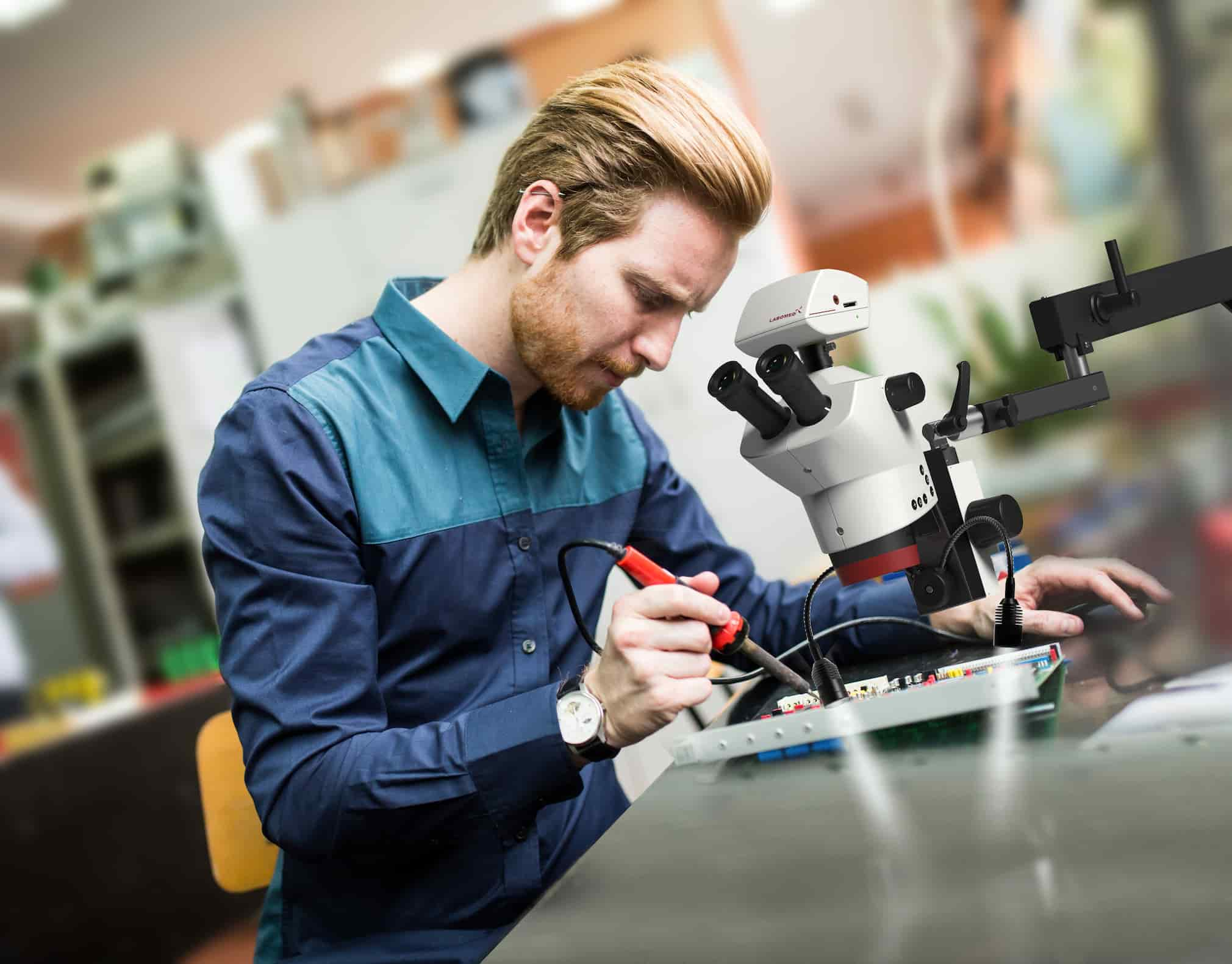
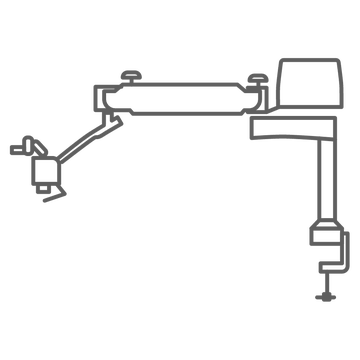
PCB inspection, soldering, assemblyLuxeo 6ZGreenough 6:1 zoom from 8x to 50x, 110 mm working distance, boom and flex arm stands.
Inspection with documentationLuxeo 6iGalilean apochromatic zoom, coaxial LED, 80:20 beam splitter, focus mount carries 20 kg.
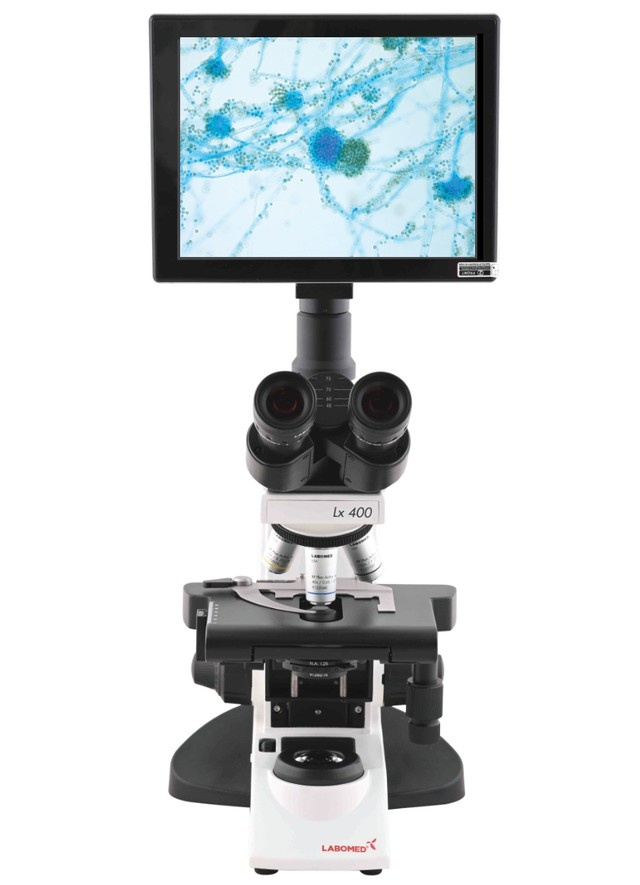
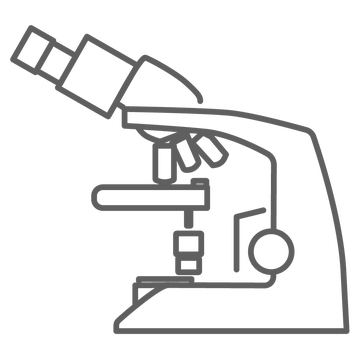
Metallography and polished samplesMET 400Köhler episcopic illumination, ML Plan Achromatic 5x to 50x, 100x optional.
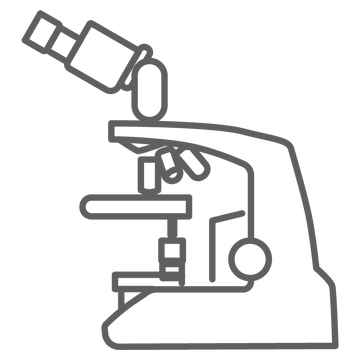
Polarized light: geology, fibers, crystalsLx POLStrain free objectives, 360 degree rotating stage, analyzer and Bertrand lens.

What microscope do I use when the object will not fit under a bench microscope?

Use a floor stand microscope with an articulated arm, so the optics move to the object instead of the object moving to the optics. Art conservators use floor stand microscopes this way on large paintings, and the same setup suits vehicle body and engine parts, airframe and defense components and large castings. The Prima Lite inspection configuration rolls on an H-base with locking castors, has a 5 step changer from 0.4x to 2.5x, a 250 mm working distance with optional 200 to 400 mm objectives, and a 27 W LED in the head. A beam splitter adds a 4K camera for condition reports and inspection records.

Which microscope suits PCB inspection and soldering?

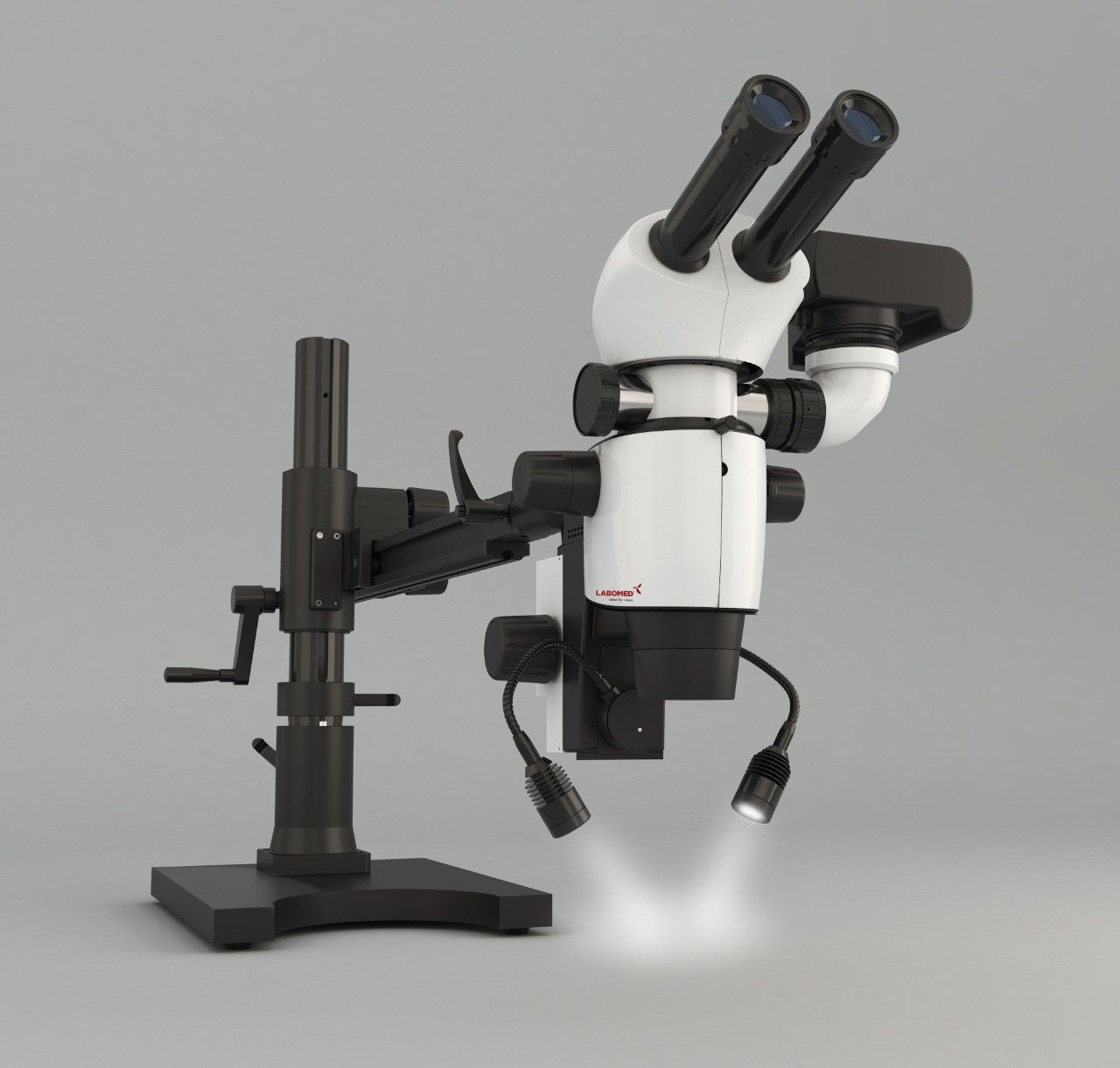
A stereo zoom microscope with a long working distance gives you a three dimensional view and room for a soldering iron. The Luxeo 6Z has a 6:1 zoom from 8x to 50x and 110 mm of working distance, and fits boom and flex arm stands. A protector lens shields the optics from flux fumes and spray, and a ring light gives shadow free light.

Greenough or Galilean (CMO) stereo microscope?

A Greenough stereo uses two separate small optical paths, which keeps it compact. A Galilean or common main objective stereo sends both paths through one large objective, which makes it easier to add cameras, coaxial light and accessories and gives a flatter field. The Luxeo 6Z is Greenough. The Luxeo 6i is Galilean with apochromatic optics.

How do I get more working distance or more magnification on a stereo microscope?

Add an auxiliary objective. A 0.5x auxiliary objective roughly doubles working distance and halves magnification. A 1.5x or 2.0x auxiliary objective raises magnification and shortens working distance. On the Luxeo 6Z the 1.5x reaches up to 75x and the 2.0x up to 100x, and the 0.5x is used on boom and flex arm stands.

What is a metallurgical microscope and when do I need one?

A metallurgical microscope lights the sample from above through the objective, called episcopic or reflected light, because metals and polished sections do not let light through. The MET 400 uses Köhler episcopic halogen illumination, ML Plan Achromatic objectives at 5x, 10x, 20x and 50x with a 100x option, and specimen holders for mounted samples.

What is a polarizing microscope used for?

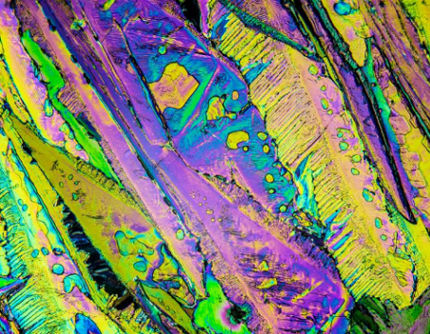
A polarizing microscope shows how a material changes polarized light, which reveals minerals, crystals, fibers and stress in plastics and glass. The Lx POL has strain free objectives, a 360 degree rotating stage in 1 degree steps, an analyzer and Bertrand lens block, lambda and quarter lambda plates and a quartz wedge.

Which lighting do I need for inspection?

A ring light gives shadow free light for flat boards. Angled gooseneck light shows relief and texture. Coaxial light, sent down through the objective, shows reflective, flat surfaces. The Luxeo 6Z offers ring and double gooseneck lights, and the Luxeo 6i has coaxial LED with dual gooseneck lights.

Can I capture images for quality records?

Yes. The Luxeo 6Z takes C-mount adapters at 0.38x, 0.50x and 0.70x and DSLR adapters. The Luxeo 6i sends 20 percent of the light to a camera through an optional 80:20 beam splitter. The MET 400 and Lx POL accept trinocular cameras such as the Vega.

What warranty comes with LABOMED® industrial microscopes?

LABOMED® life sciences and materials products carry 5 years on parts and labor, 2 years on cameras and 1 year on electrical parts. Labo America confirms the warranty for your specific purchase.

AT A GLANCE

Key specifications compared.

From the current LABOMED product records. Confirm configuration specific values with Labo America.

SpecificationPrima Lite IndustrialLuxeo 6ZLuxeo 6iMET 400Lx POL
Magnification5 step changer: 0.4x, 0.6x, 1.0x, 1.6x, 2.5xZoom 6:1: 8x to 50x totalZoom 6:1: 8x to 50x total50x to 500x total (10x eyepieces, 5x to 50x objectives); 1000x with optional 100x dry objective40x to 400x total (10x eyepieces, 4x to 40x objectives); 1000x with optional 100x oil objective
ObjectiveStandard: f250 mm fine focus. Optional: NuVar 7 (f290 to 360 mm, working distance 200 to 270 mm), objective lens protector0.5x, 1.5x, 2.0x1.0x Apochromat standard; Optional objectives: Achromats: 0.32x, 0.50x, 0.63x, 0.80x, 1.0x Plan Apochromat: 1.25xML series infinity corrected, DIN Plan Achromatic objectives 5x, 10x, 20x and 50x; antifungal, MaxLite (TM) coated; Optional 100x Dry objective.SF series strain free infinity corrected DIN Plan Achromatic objectives: 4x (WD 30.0 mm), 10x (WD 7.00 mm), 40x (WD 0.65 mm); Optional 100x (WD 0.23 mm) spring loaded, oil objective
Working distanceStandard: 250 mm. Optional: 200 to 270 mm (NuVar 7)110 mm110 mm5x: 11.5 mm, 10x: 6.8 mm, 20x: 11.1 mm, 50x: 8.2 mm (optional 100x: 2.0 mm)4x: 30.0 mm, 10x: 7.00 mm, 40x: 0.65 mm (optional 100x oil: 0.23 mm)
Field of view10.6 to 66 mm4.4 to 27.50 mm4.4 to 27.50 mmFN 22 mm (10x/22 eyepieces)FN 20 mm (10x/20 eyepieces)
Light sourceSuperLux LED, 27 W, built into the headLED, incident and transmittedLED, incident and transmitted; coaxial incident light, dual gooseneck lights, BF/DF baseHalogen, 6V 30 W, Köhler episcopic with diffuser, variable intensityLED, Köhler field diaphragm, variable intensity
Light output100,000+ luxAvailable on requestAvailable on requestAvailable on requestAvailable on request
Viewing head0 to 210° tilting binocular head; IPD adjustment controlsBinocular or trinocular, 45° inclinedStandard: Binocular, 20° inclined. Optional: 0 to 210° tilting ergo headSiedentopf binocular or trinocular, 30° inclined, fixedSiedentopf binocular or trinocular, 30° inclined, fixed
MountingFloor stand, wall mount, ceiling mountAvailable on requestAvailable on requestNot applicableNot applicable
Contact us