The same matches as the Applications hub, laid out for ENT. Pick the work that matches your day and start there. Tap the value option for a quick look without leaving the page.
Every model below has an online configurator. Choose an application and the configurator lists the parts that make it work, with part numbers, ready to send for a quote.
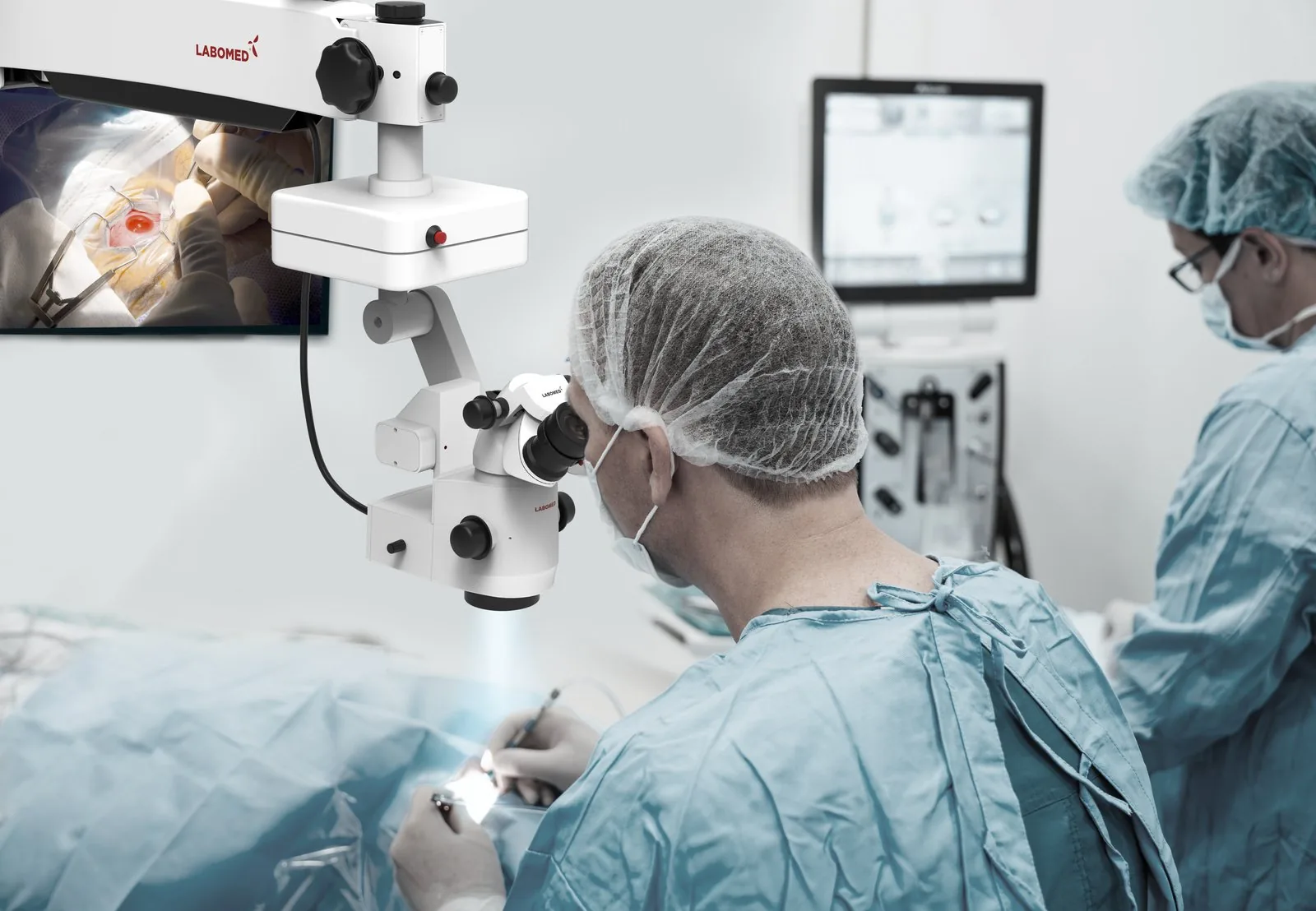
Imaging and documentationCapture, stream and share what you see
INCLUDED AS STANDARD2 years on parts and labor 2 years on cameras 1 year on electrical parts
OPTIONAL ADD-ON · LIFETIME COVERLifetime cover can be added to any LABOMED medical model when you order. It is not included as standard.Ask about lifetime cover
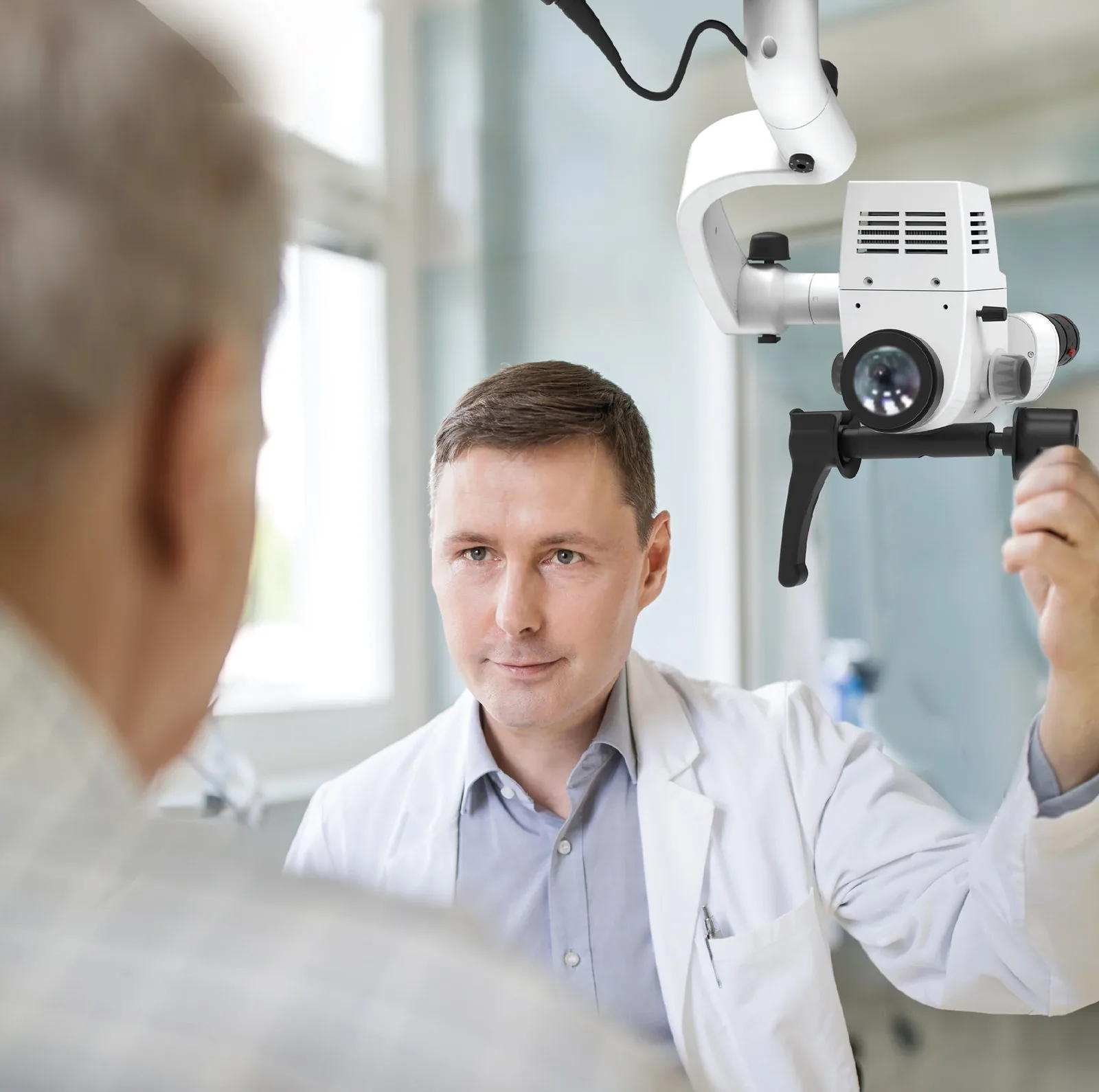
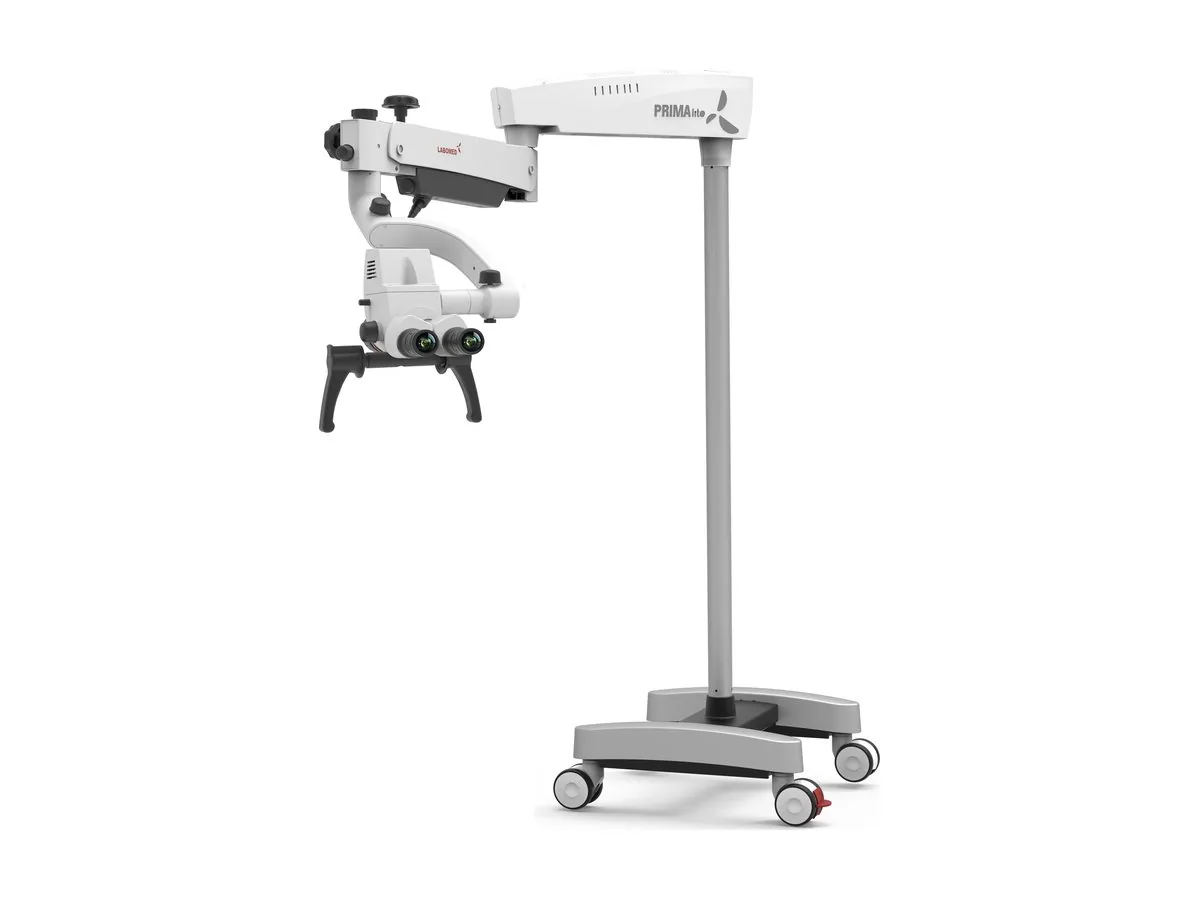
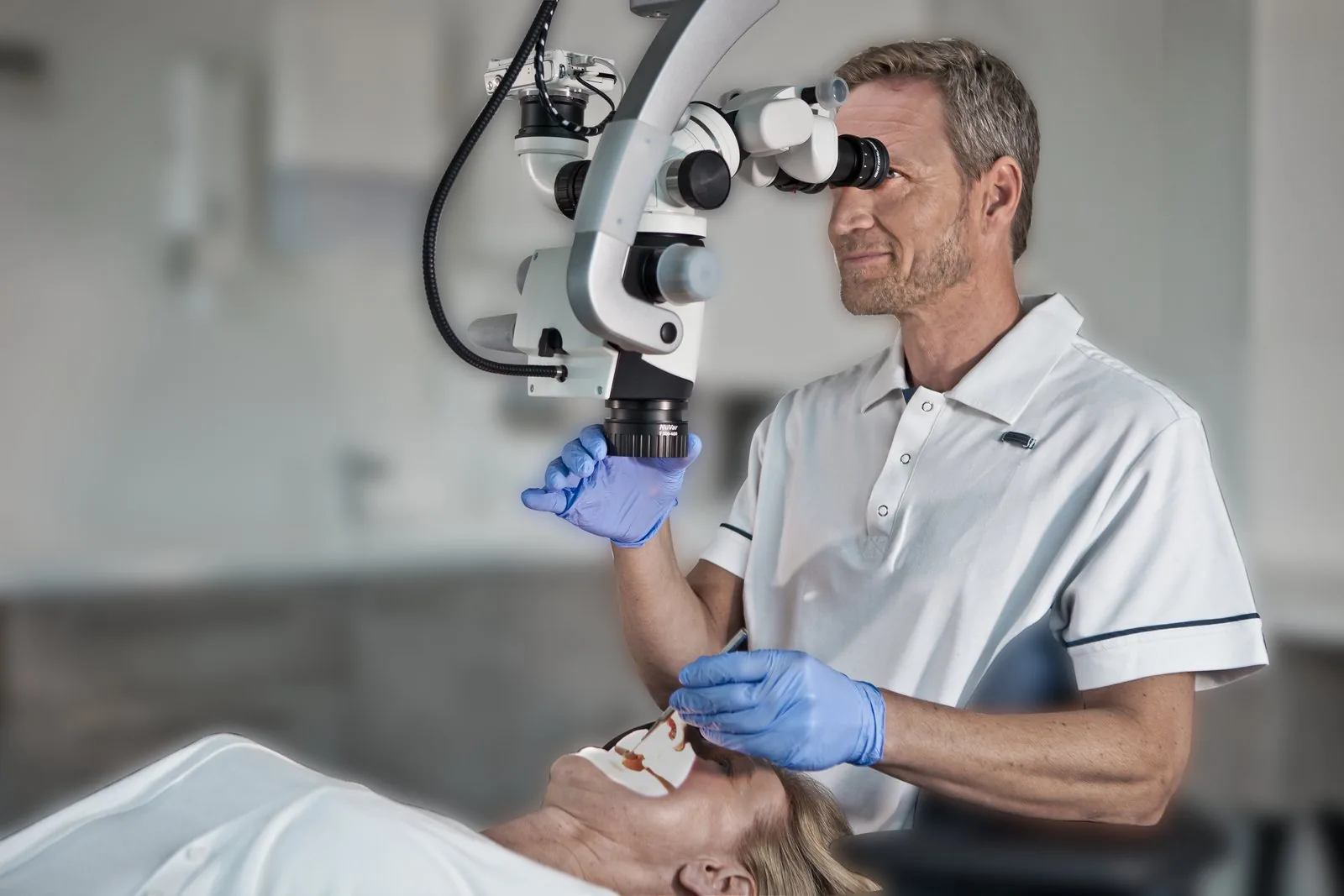
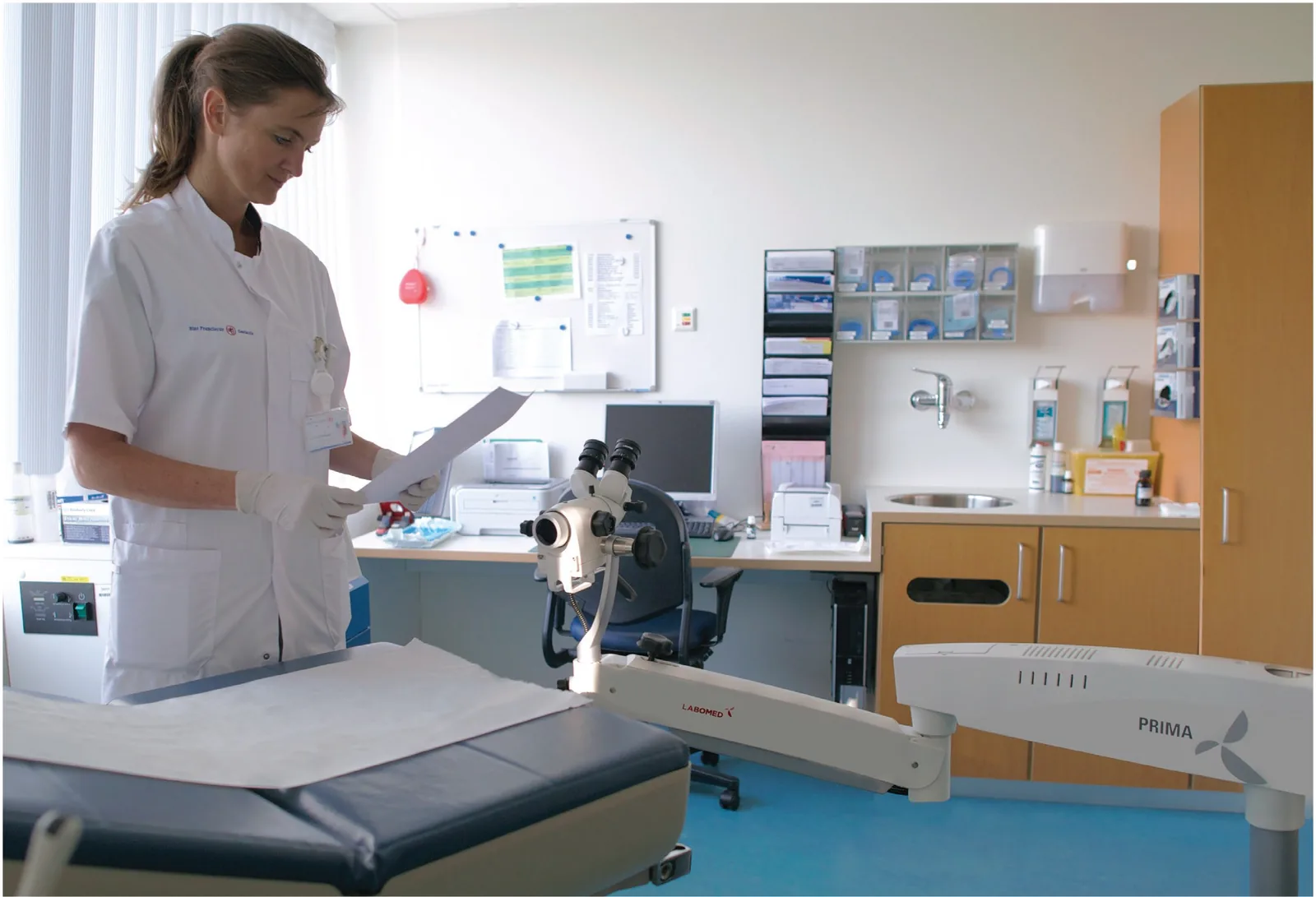
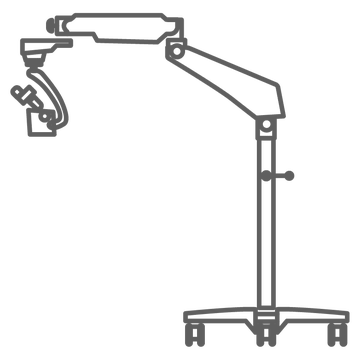
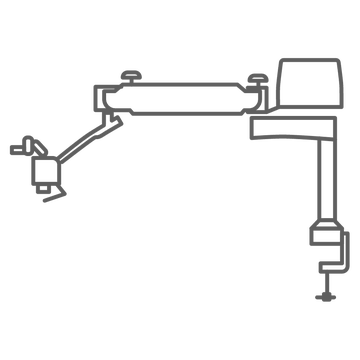
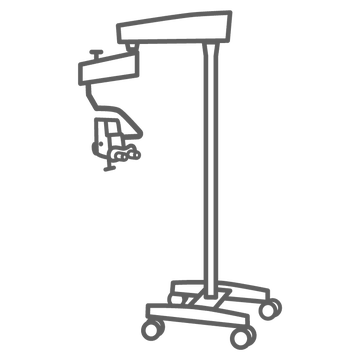
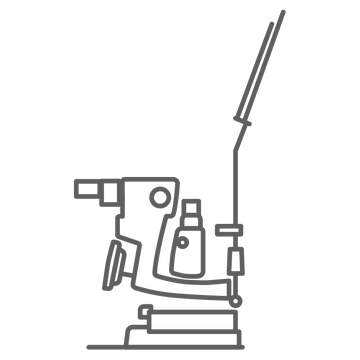
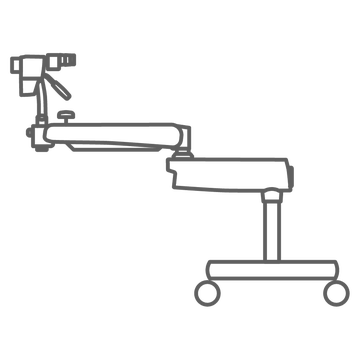
Most ENT offices need a microscope for ear examination and cleaning that is quick to position and bright. The Prima Lite ENT does that with a 90 degree straight binocular tube, a 5 step apochromatic changer and a 27 W LED built into the head. Residency and skills labs use the Prima Trainer. For procedures that need more room, the Prima Lite ENT takes f300 and f400 objectives and NuVar variable objectives.
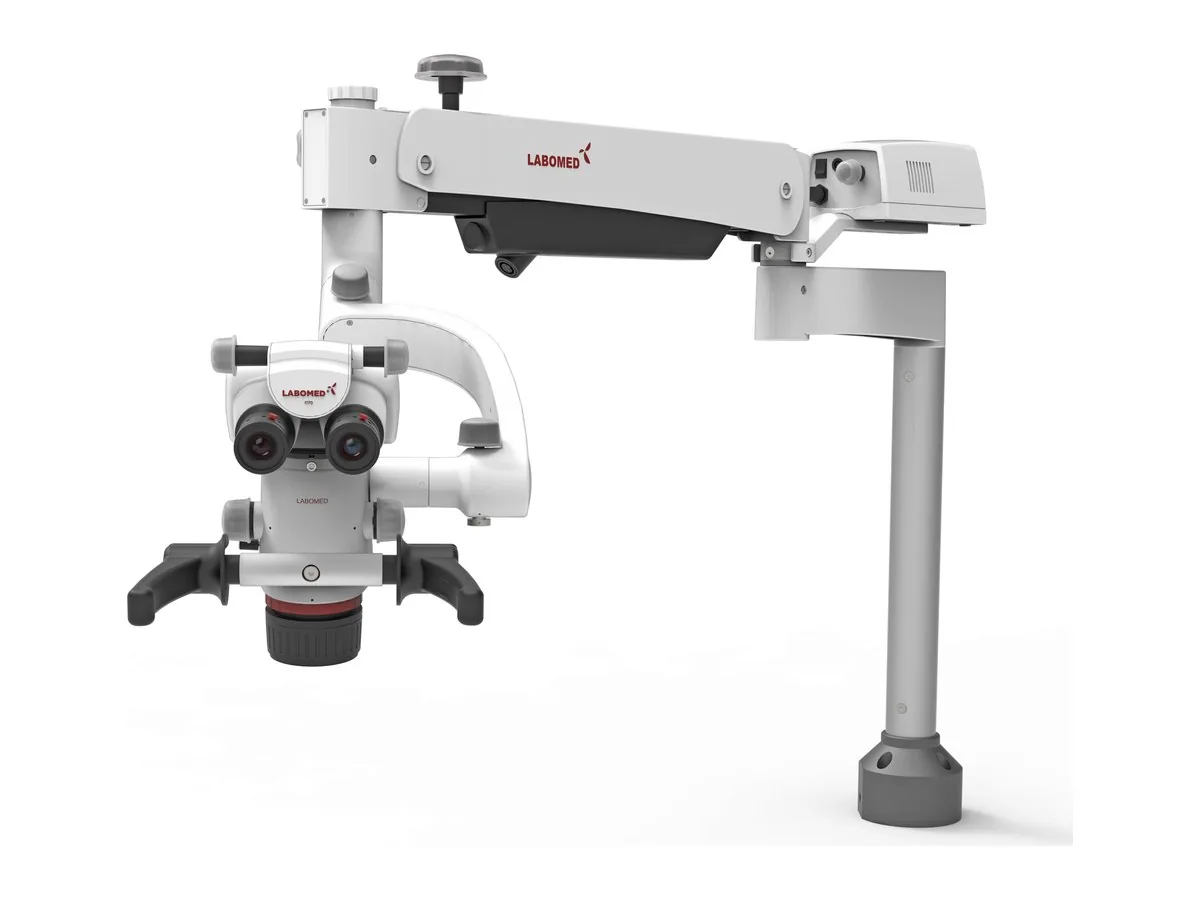
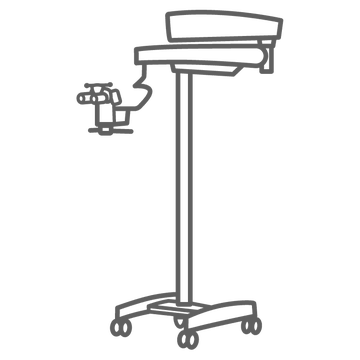
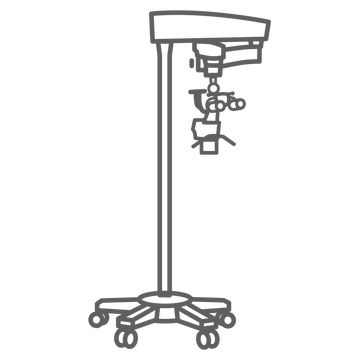
Look at five things: the viewing tube, the objective focal length, the light, how it mounts in your room, and whether you can add a camera or endoscope. The Prima Lite ENT has a 90 degree straight binocular tube, a 5 step apochromatic changer (0.4x to 2.5x), an f250 objective with fine focus, a SuperLux 27 W LED integrated in the housing, and floor, wall and ceiling versions.
Focal length sets how far the microscope sits from the patient. Shorter distances suit ear examination close to the patient. Longer focal lengths leave room for long instruments, which is why 300 mm and 400 mm objectives are common in laryngeal work. The Prima Lite ENT ships with f250 and offers f200, f300 and f400 objectives, plus NuVar 7 (200 to 270 mm working distance) and NuVar 10 (300 to 400 mm focal length) variable objectives.
Why do ENT microscopes use a straight binocular tube?
For ear examination you usually look horizontally across to the patient's ear, and a straight tube puts the eyepieces in line with that view. The Prima Lite ENT uses a 90 degree straight binocular tube with an interpupillary range of 49 to 78 mm.
Can I connect an endoscope to my ENT microscope?
Yes. The Prima Lite ENT offers an endoscope camera adapter that works with the DBS 50:50 beam splitter.
We use essential cookies to run this site and count visits without cookies. With your permission we load Google Analytics 4 to measure how the site is used and Google Ads to measure our search advertising. We do not use cookies for retargeting ads. Your choice is kept for 30 days. Privacy policy
EssentialRequired for the site to workALWAYS ON
AnalyticsGoogle Analytics, how the site is used
Advertising measurementGoogle Ads, search ad performance only