BUYER'S GUIDE · VETERINARY

Which microscope does a veterinary clinic need?

Updated · Labo America product team
THE SHORT ANSWER

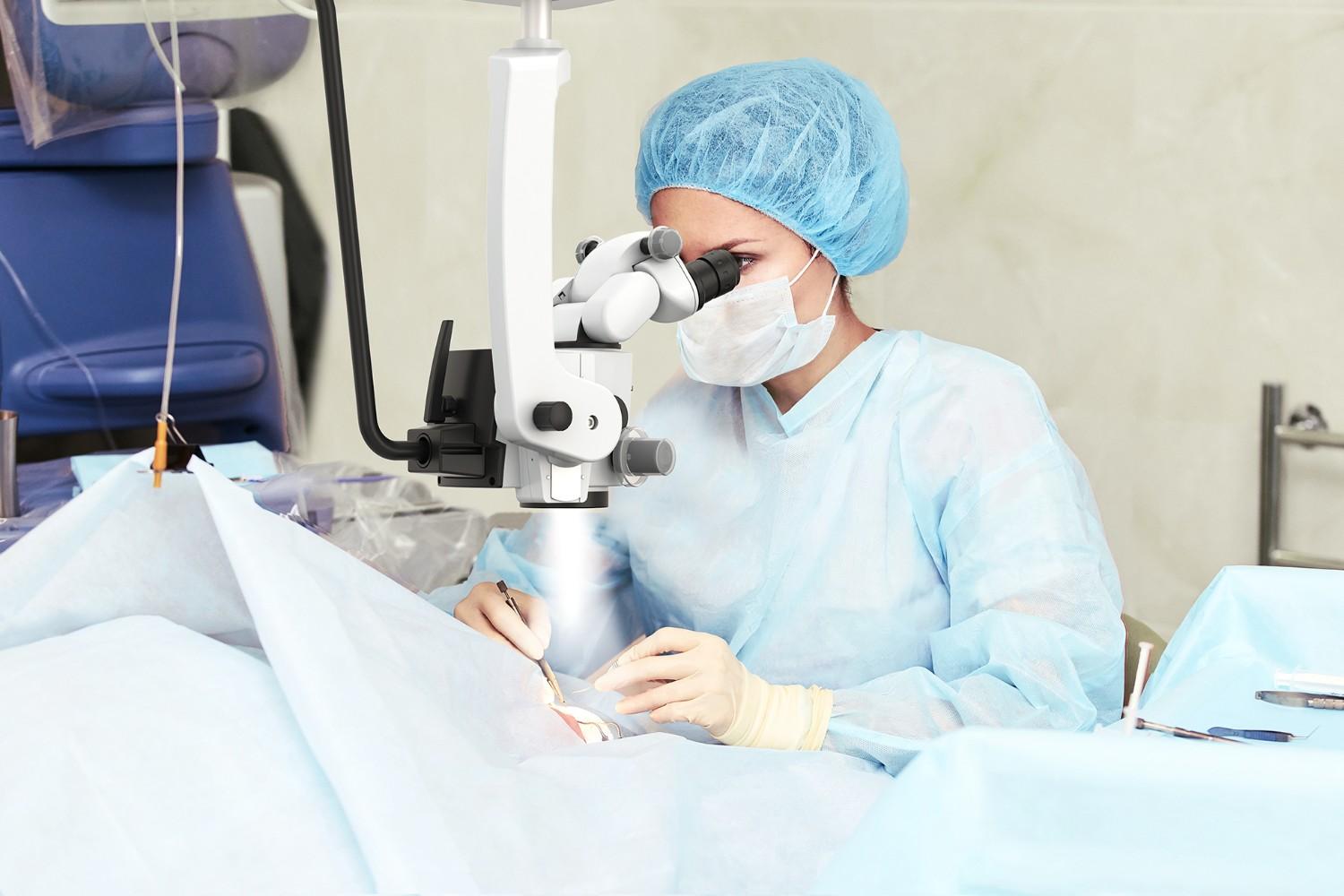
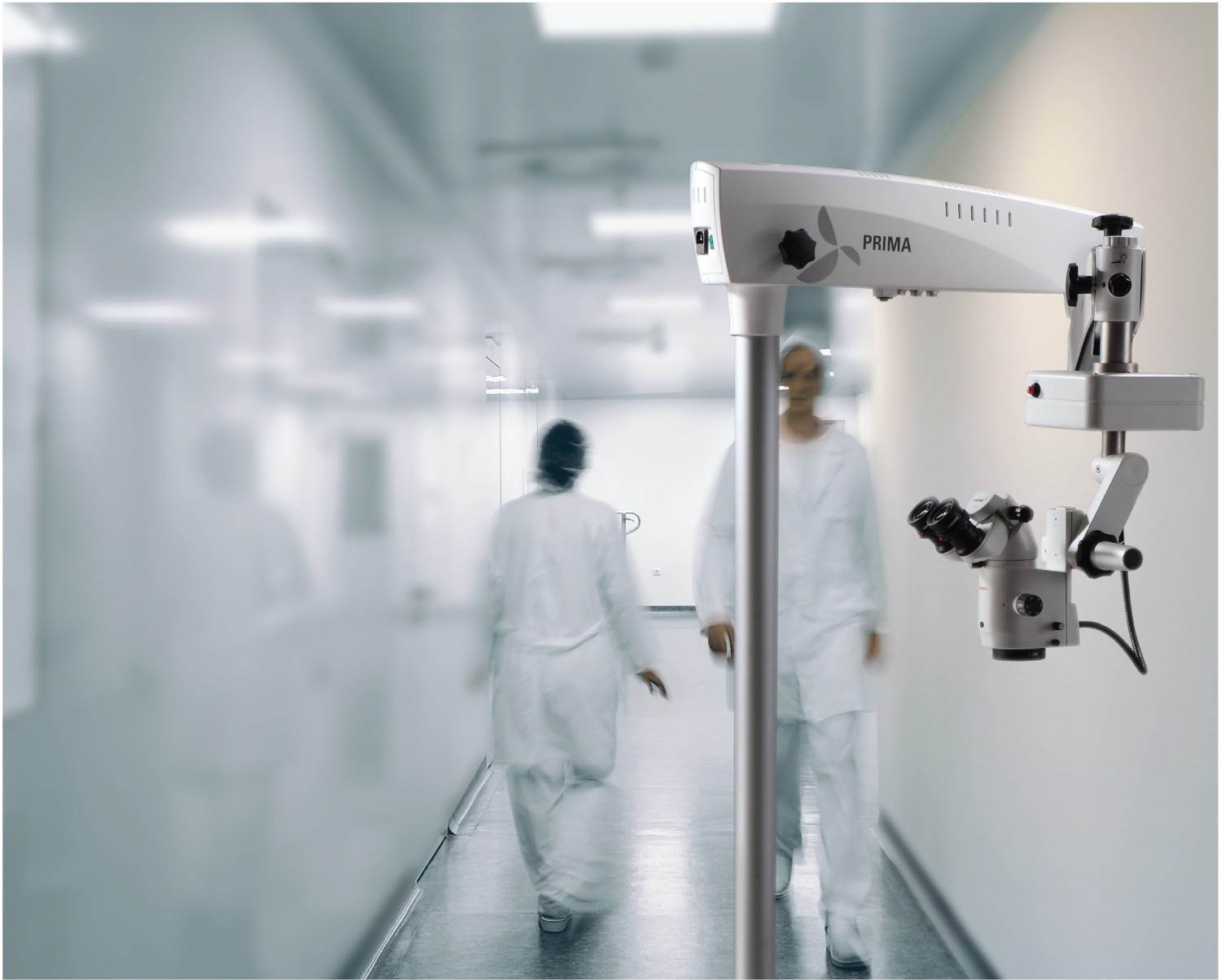
For the in house lab, choose a compound microscope with a 100x oil objective: the Lx 300 for routine cytology and blood smears, or the Lx 400 for a wider field, a larger stage and fluorescence. For veterinary eye surgery, LABOMED® offers the Prima OPH ophthalmic microscope.

OUR PICKS

Which LABOMED model fits which practice.

If you areChooseWhy
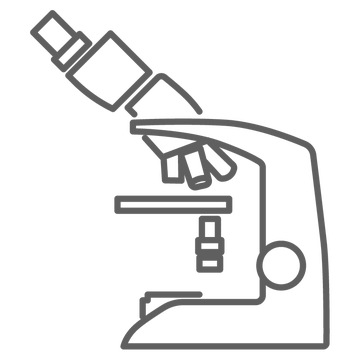
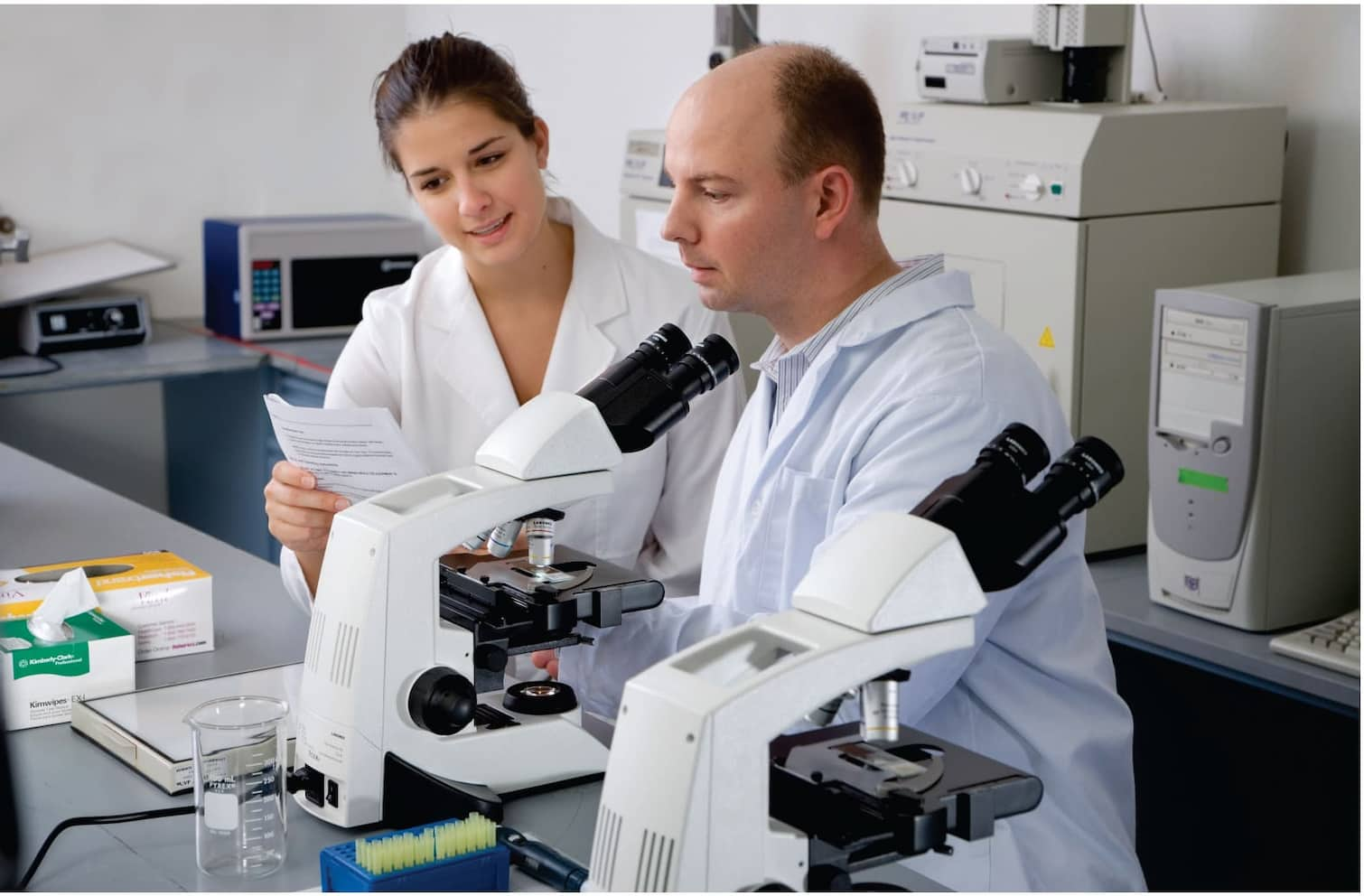
In house lab: cytology, smears, urinalysisLx 300Plan Achromat 4x to 100x oil, LED rated to 50,000 hours.
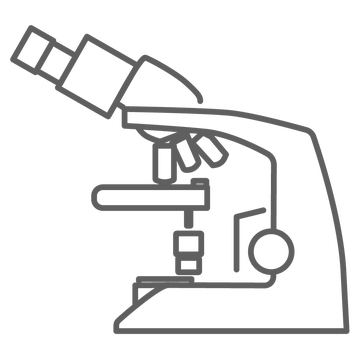
Wider field, larger stage, fluorescenceLx 400RP Plan objectives, 10x/20 field, 200 x 140 mm stage and an LED fluorescence attachment.
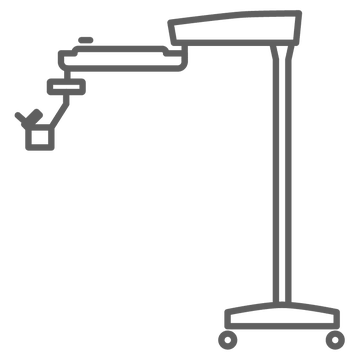
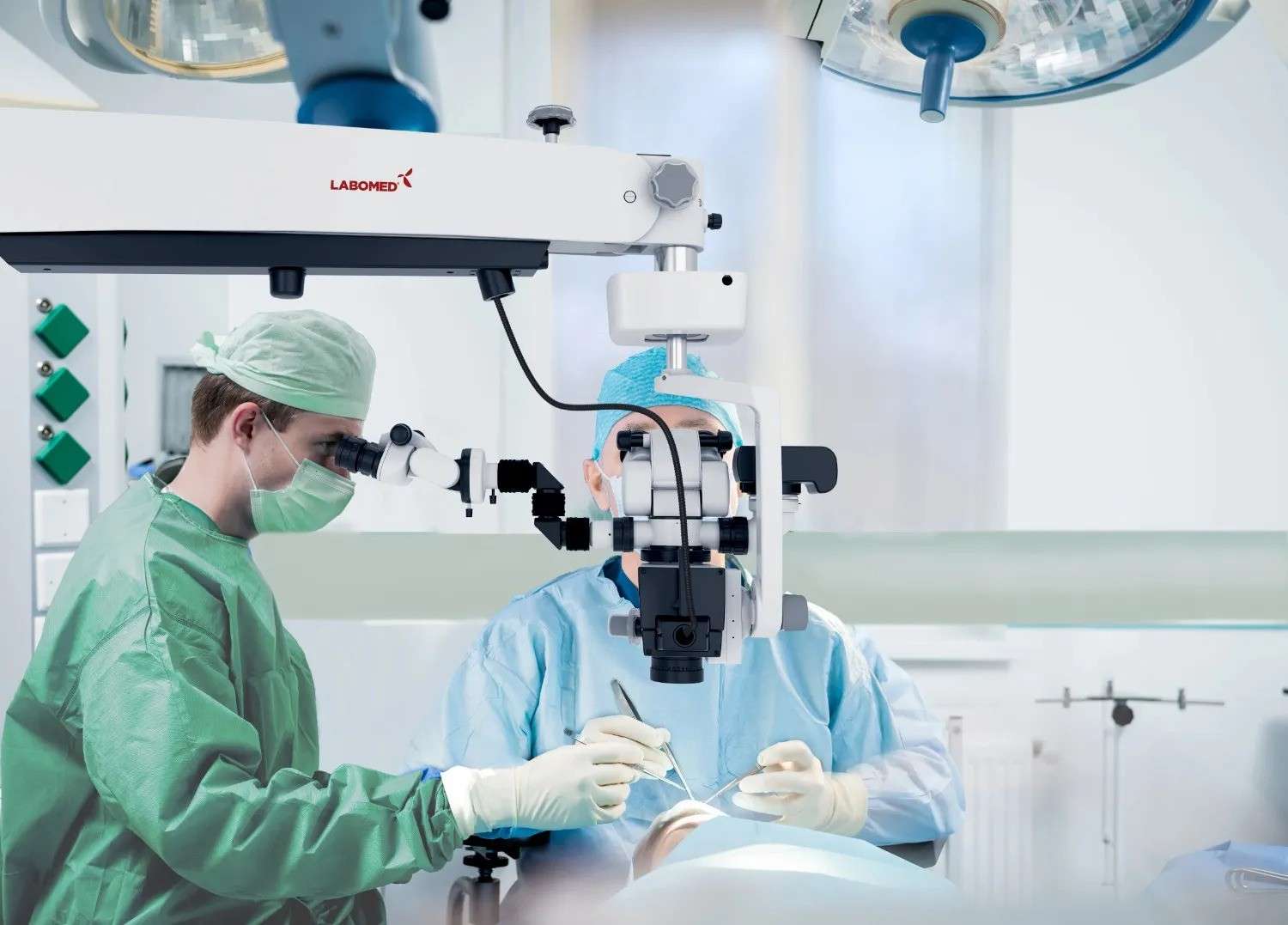
Veterinary ophthalmic surgeryPrima OPHRedReflex optics, foot controlled motorized focus, f200 objective.

What microscope does a veterinary practice need for in house diagnostics?

Most clinic work, including blood smears, cytology, ear swabs, urinalysis and fecal flotation, runs on a compound microscope with 4x, 10x, 40x and 100x oil objectives. The Lx 300 has Plan Achromat objectives at those powers and an LED rated up to 50,000 hours. Both the Lx 300 and Lx 400 accept phase contrast and dark field kits.

Do I need a 100x oil immersion objective?

Yes, if you read blood smears or look for bacteria. Oil immersion at 100x gives the resolution to see cell detail and small organisms. The Lx 300 and Lx 400 both include a 100x oil objective.

Should my clinic microscope have a camera?

A camera helps you show owners what you found and send images to a pathologist for a second opinion. Choose a trinocular head and add a camera such as the Vega or iVu Touch.

What microscope is used for veterinary eye surgery?

Veterinary ophthalmology uses the same type of microscope as human cataract surgery: a stable red reflex, foot controlled focus and a working distance that leaves room for instruments. The Prima OPH has a RedReflex optical system, motorized 40 mm fine focus and an f200 objective with an f175 option.

What warranty comes with a LABOMED® clinic microscope?

LABOMED® life sciences products such as the Lx 300 and Lx 400 carry 5 years on parts and labor. The Prima OPH, as a medical product, carries 2 years on parts and labor and 1 year on electrical parts, with lifetime cover available as an optional add-on.

AT A GLANCE

Key specifications compared.

From the current LABOMED product records. Confirm configuration specific values with Labo America.

SpecificationLx 300Lx 400Prima OPH
Magnification40x to 1000x total (10x eyepieces, 4x to 100x objectives)40x to 1000x total (10x eyepieces, 4x to 100x objectives)5 step changer: 0.4x, 0.6x, 1.0x, 1.6x, 2.5x
ObjectiveEP2 Plan Achromat DIN Infinity objectives 4x, 10x, 40x (spring loaded), 100x (spring loaded, oil), antifungalRP series infinity corrected DIN Plan Achromatic objectives 4x, 10x, 40x (spring loaded), 100x (spring loaded, oil), antifungalStandard: f200 mm. Optional: f175 mm
Working distance4x: 6.20 mm, 10x: 4.32 mm, 40x: 0.45 mm, 100x oil: 0.10 mm4x: 30.0 mm, 10x: 4.5 mm, 40x: 0.50 mm, 100x oil: 0.13 mmStandard: 200 mm. Optional: 175 mm
Field of viewFN 18 mm (10x/18 eyepieces)FN 20 mm (10x/20 eyepieces)8.47 to 52.94 mm
Light sourceLED, rechargeable Li-ion battery, variable intensityLED, rechargeable battery, variable intensityLED, 50 W, minimal UV and IR emission
Viewing headSiedentopf binocular (butterfly), 45° inclined, 360° rotatable, viewing height adjustable up to 40 mm; or Siedentopf trinocular, 30° fixedSiedentopf binocular or trinocular, 30° inclined, 360° rotatableStandard: 0 to 210° tilting binocular head. Optional: 45° inclined binocular head
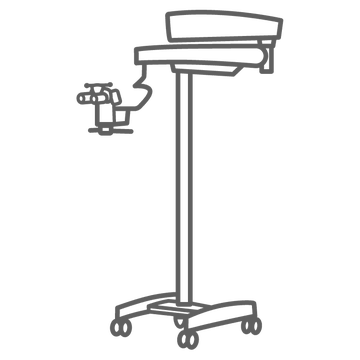
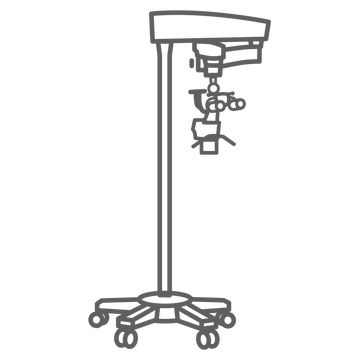
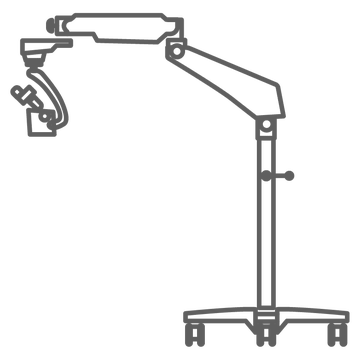
MountingNot applicableNot applicableFloor stand, wall mount, ceiling mount
StandSingle mold sturdy stand with anti-rust materials. Ergonomic base for hand rest and greater stability.Single mold aluminum stand with hand rests for enhanced comfort and stabilityH-base on 4 locking castors
Contact us