LIFE SCIENCES · 5 MODELS

Lab and Clinical microscopes

Upright, inverted and stereo microscopes for laboratory and clinical applications, cell culture and IVF, plus the Prima Trainer for microsurgical skills labs.

COMPARE THESE MODELSFIND BY APPLICATION
WHICH ONE FITS

Start with how you work.

The same matches as the Applications hub, laid out for lab and clinical. Pick the work that matches your day and start there. Tap the value option for a quick look without leaving the page.

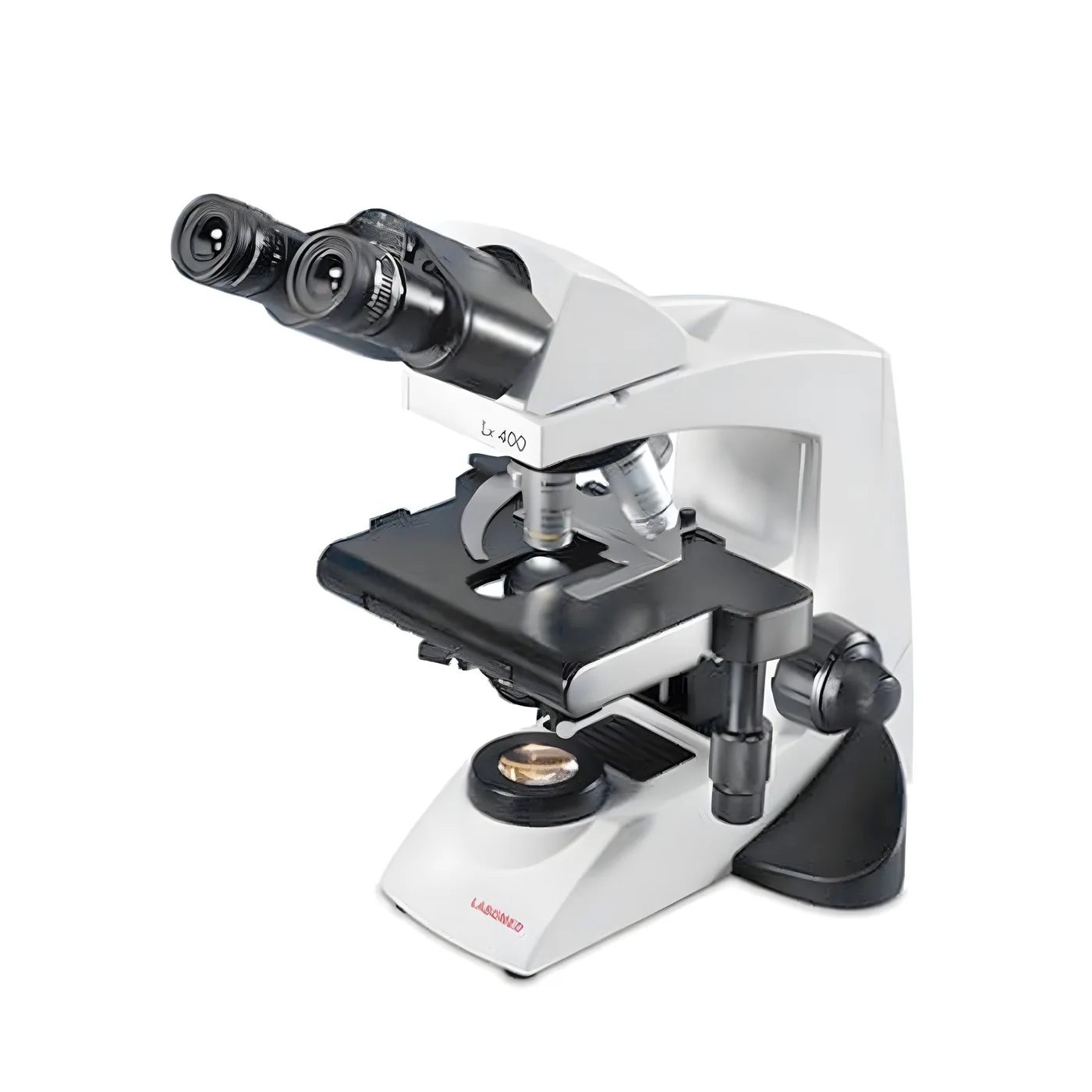
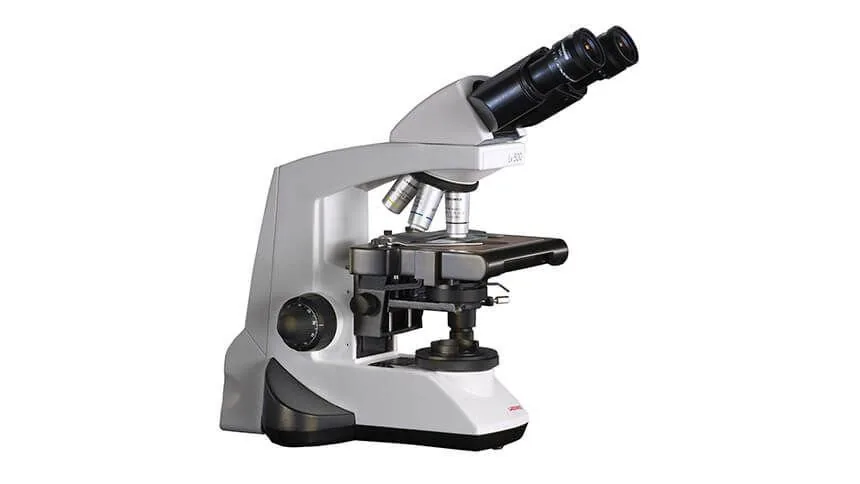
01Hematology, pathology and microbiologyRoutine diagnosticsOUR PICKSLx 400Köhler as a kitLx 500Köhler standard, ceramic stage

True Köhler illumination, Plan Achromatic 4x to 100x, ceramic stage, phase, polarizing and fluorescence kits.

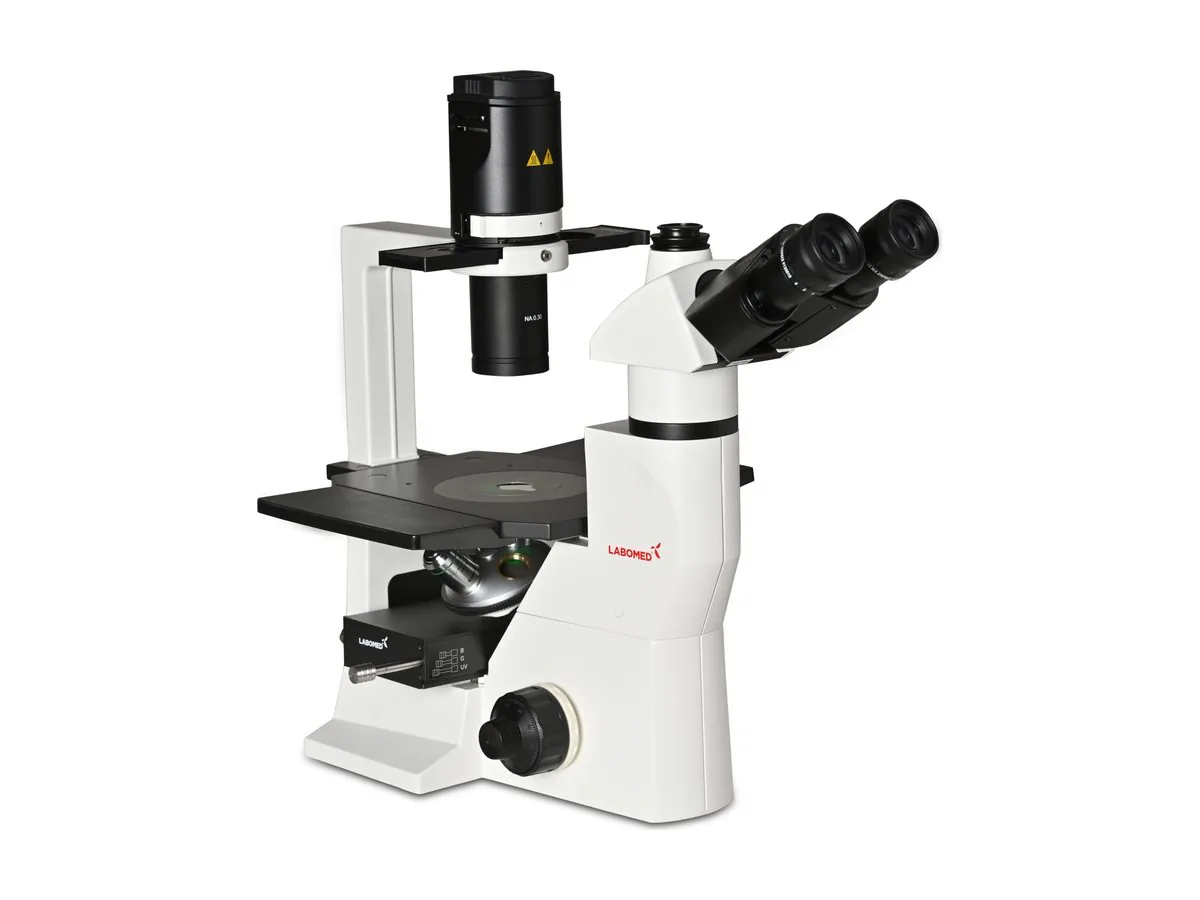
02Cell culture and IVFInverted, long working distanceOUR PICKTCM 400Inverted, phase

Inverted design, long working distance Phase Plan Achromat objectives, listed for cell culture, IVF and fluorescence stains.

Open the application
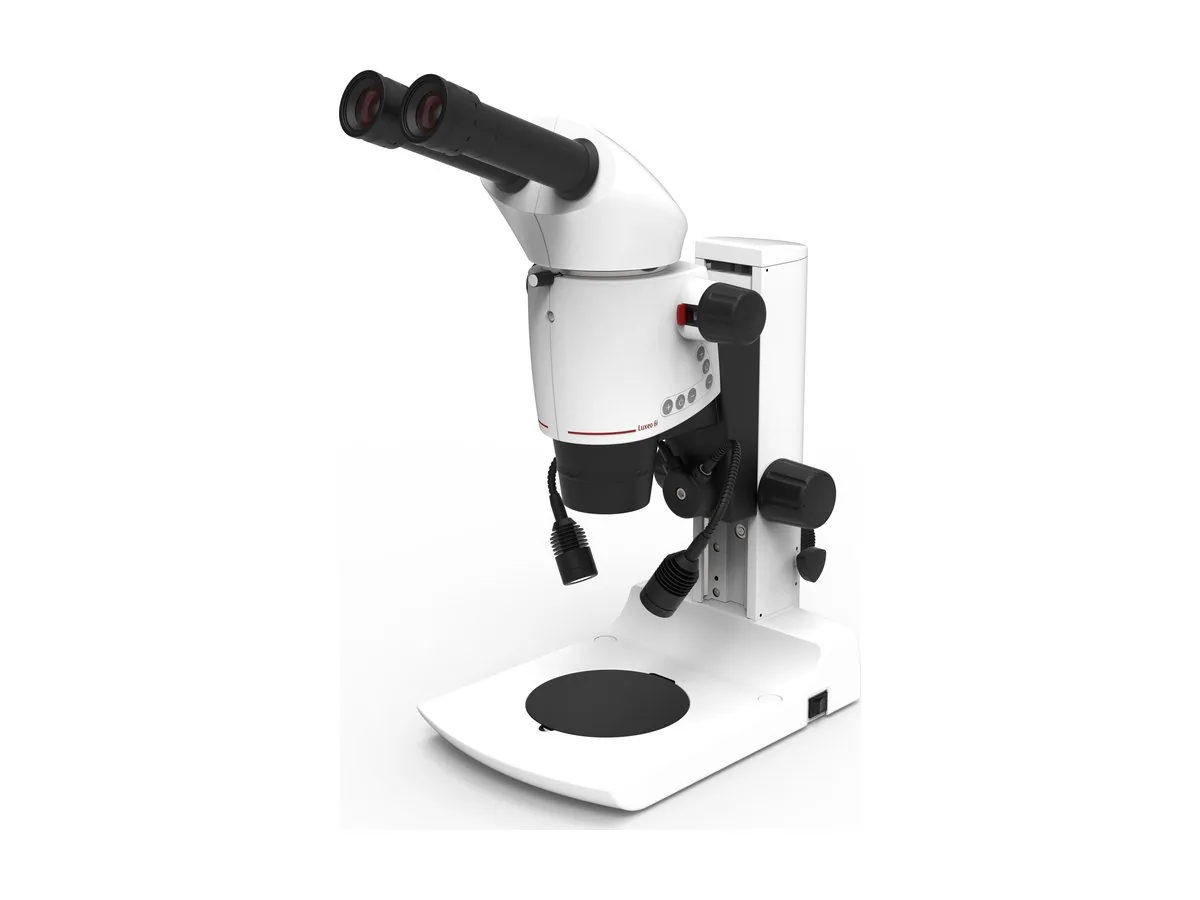
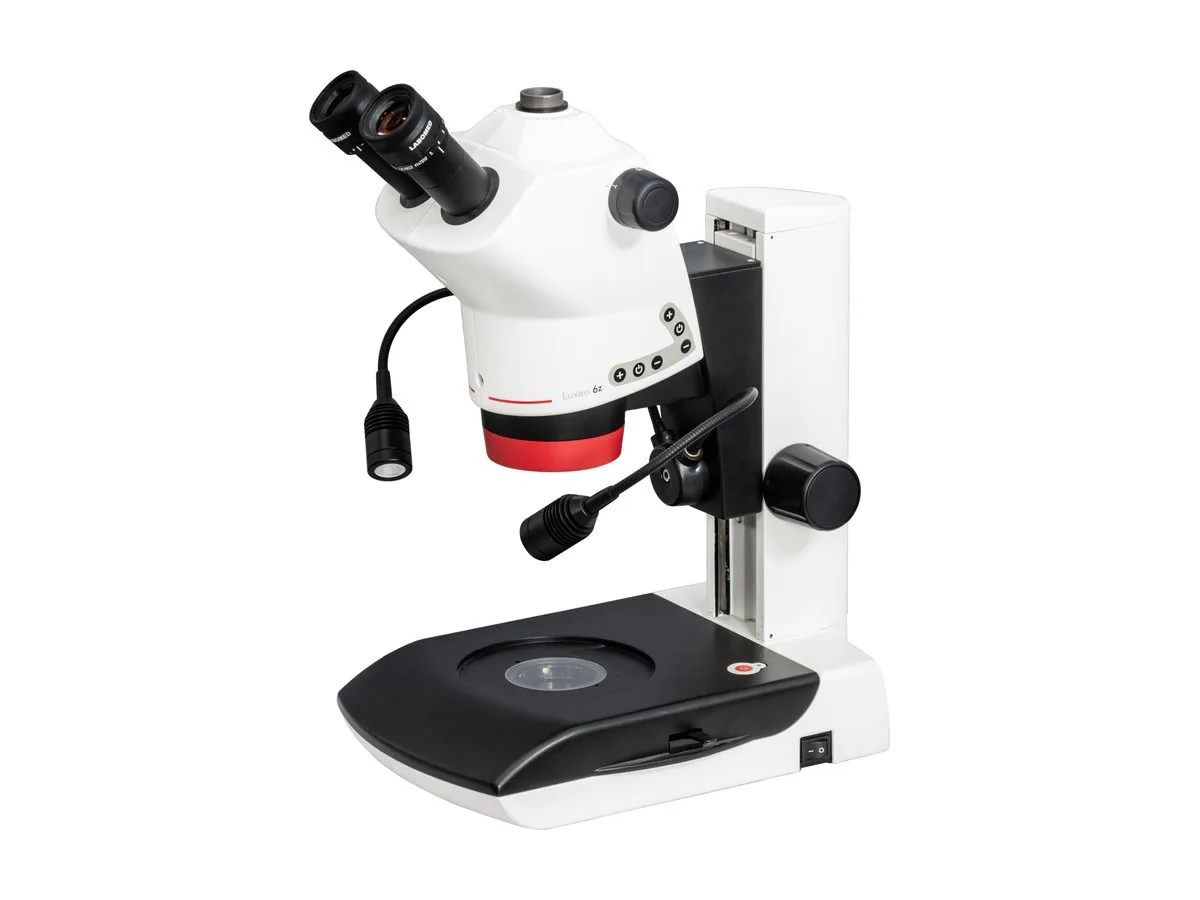
03Embryo handling and fine dissectionStereo proceduresOUR PICKSLuxeo 6ZMirror base optionLuxeo 6iApochromatic, coaxial LED

Apochromatic 6:1 zoom, coaxial LED, bright field and dark field transmitted light base.

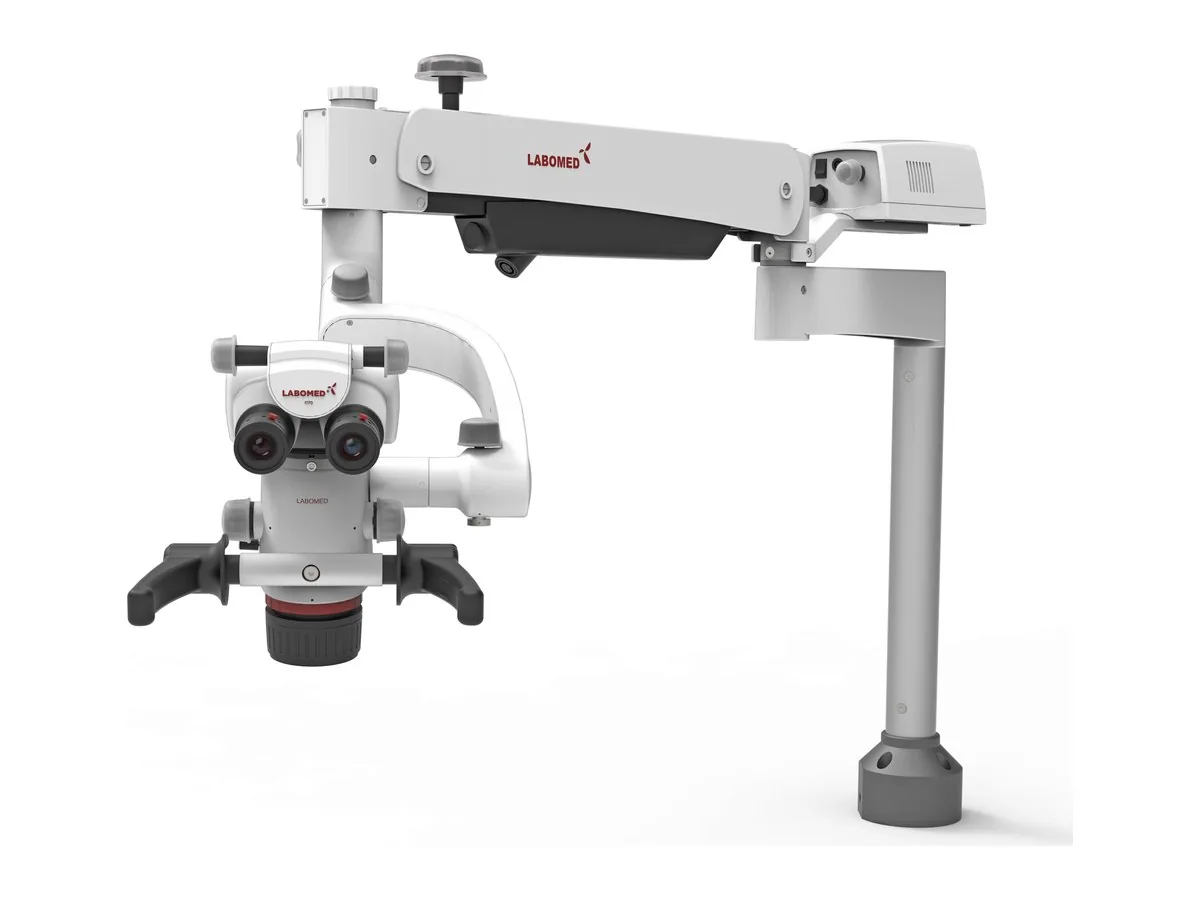
04Microsurgical trainingSkills labs and research benchesOUR PICKPrima TrainerSurgical optics

Surgical optics on a table mount with C-clamp: 5 step changer from 0.4x to 2.5x, f-250 fine focus, 50W LED.

Open the application
AT A GLANCE

The range, side by side.

OPEN FULL COMPARISON
Lx 400Lx 500TCM 400Luxeo 6iPrima Trainer
Magnification40x to 1000x total (10x eyepieces, 4x to 100x objectives)40x to 1000x total (10x eyepieces, 4x to 100x objectives)40x to 200x total (10x eyepieces, 4x to 20x objectives); 400x with optional 40xZoom 6:1: 8x to 50x total5 step changer: 0.4x, 0.6x, 1.0x, 1.6x, 2.5x
ObjectiveRP series infinity corrected DIN Plan Achromatic objectives 4x, 10x, 40xRP2 series Infinity Corrected DIN Plan Achromatic objectives 4x, 10x, 40xLW series Long working distance DIN Phase Plan Achromatic objectives 4x, 10x1.0x Apochromat standard; Optional objectives: Achromats: 0.32x, 0.50x, 0.63xStandard: f250 mm fine focus
Working distance4x: 30.0 mm, 10x: 4.5 mm, 40x: 0.50 mm, 100x oil: 0.13 mm4x: 30.0 mm, 10x: 5.00 mm, 40x: 0.65 mm, 100x oil: 0.15 mm4x: 16.0 mm, 10x: 10.0 mm, 20x: 5.05 mm (optional 40x: 2.25 mm)110 mmStandard: 250 mm
Light sourceLED, rechargeable battery, variable intensityLED, true Köhler illumination, variable intensityHalogen, 6V 30 W, transmitted, variable intensityLED, incident and transmitted; coaxial incident light, dual gooseneck lightsLED, 50 W
Viewing headSiedentopf binocular or trinocular, 30° inclined, 360° rotatableBinocular or trinocular, 30° inclined; or ergonomic binocular, 0 to 25°Binocular or trinocular, 30° inclined; or ergonomic binocular, 0 to 25° tiltingStandard: Binocular, 20° inclined0 to 210° tilting binocular head
MountingNot applicable · bench microscopeNot applicable · bench microscopeNot applicable · bench microscopeBF/DF stand, pole stand, medium duty boom, heavy duty boom (crank adjustment)Table mount

From the published LABOMED® product records. Standard configuration shown; options change some values.

IN PRACTICE

In practice.

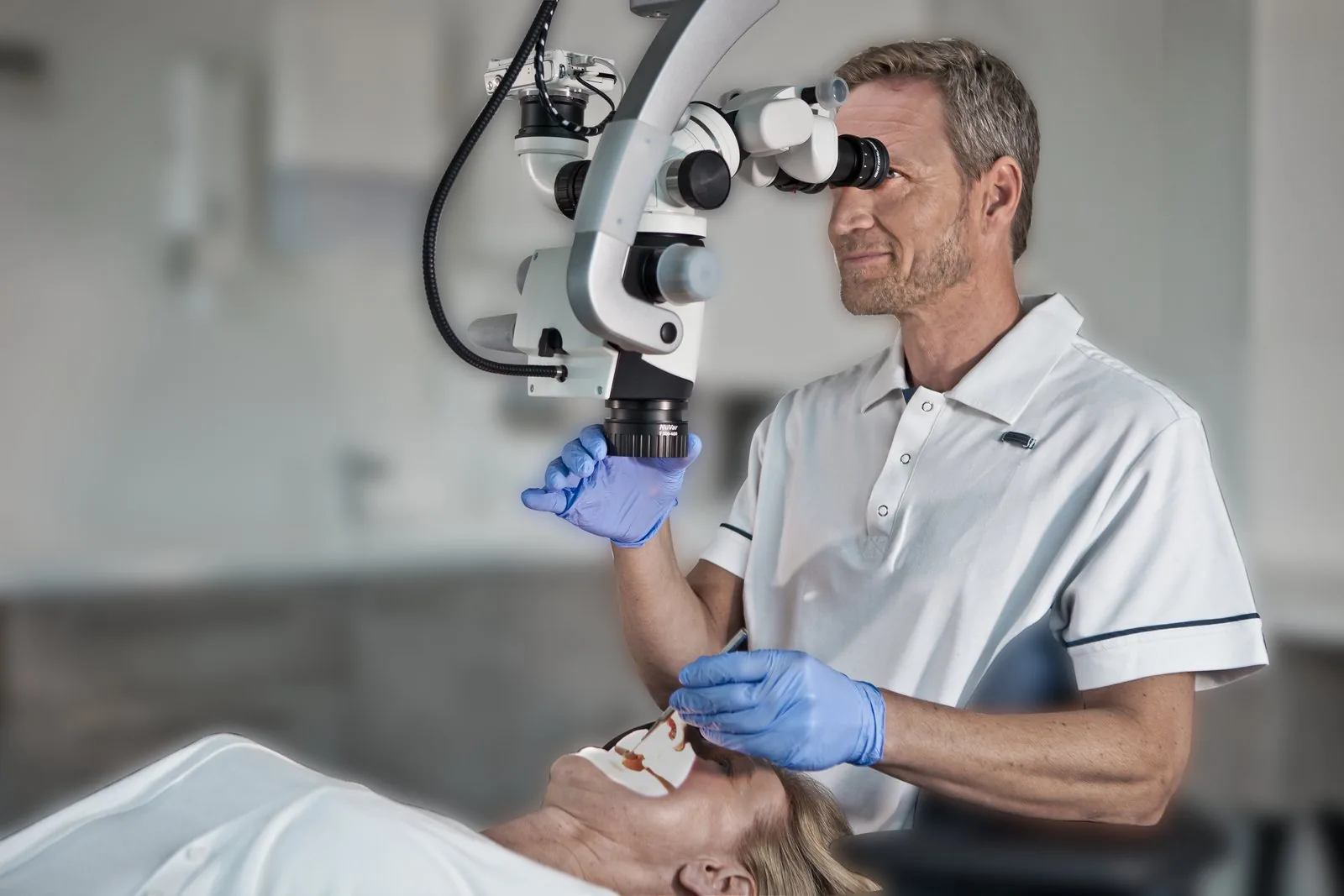
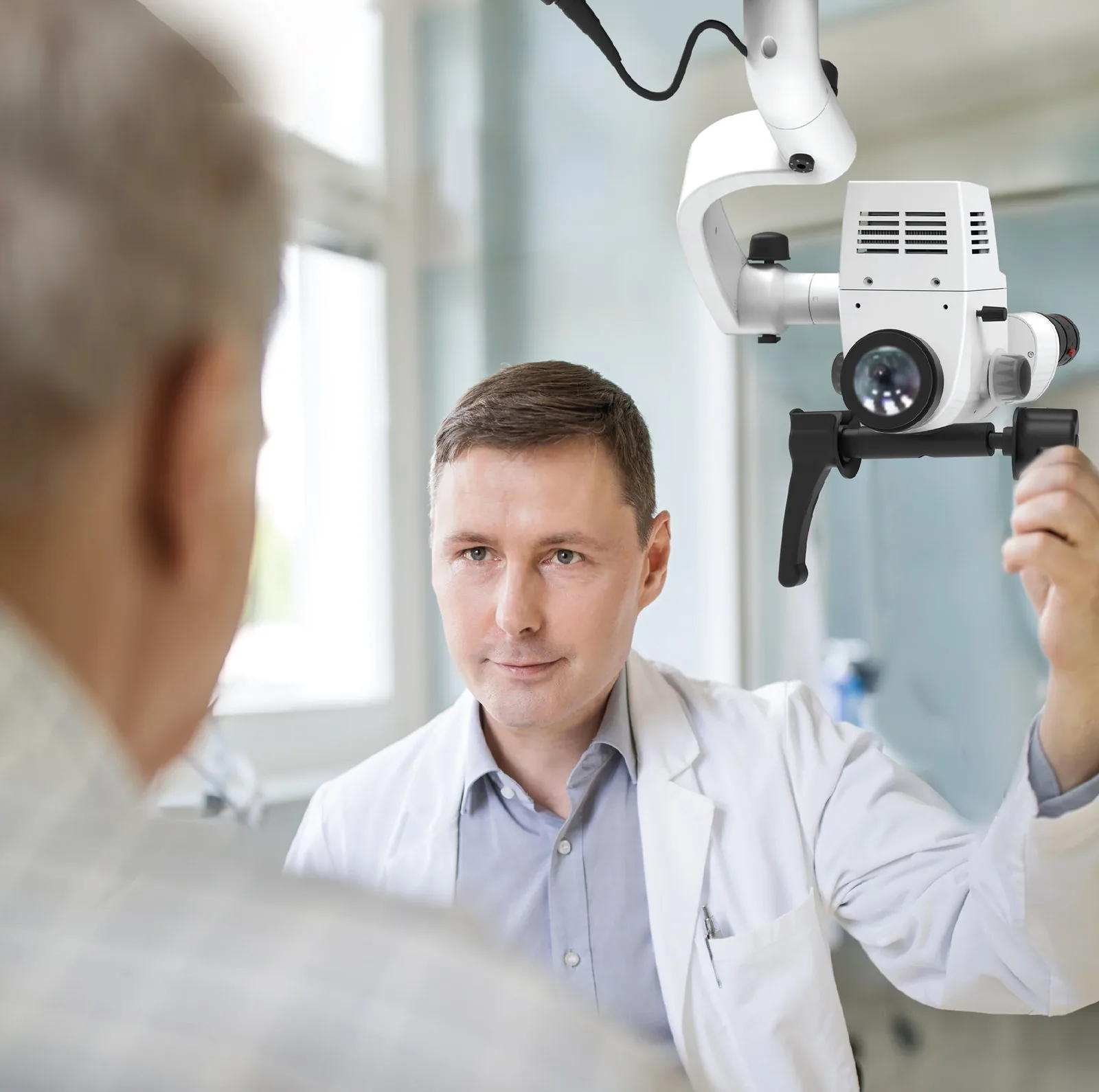
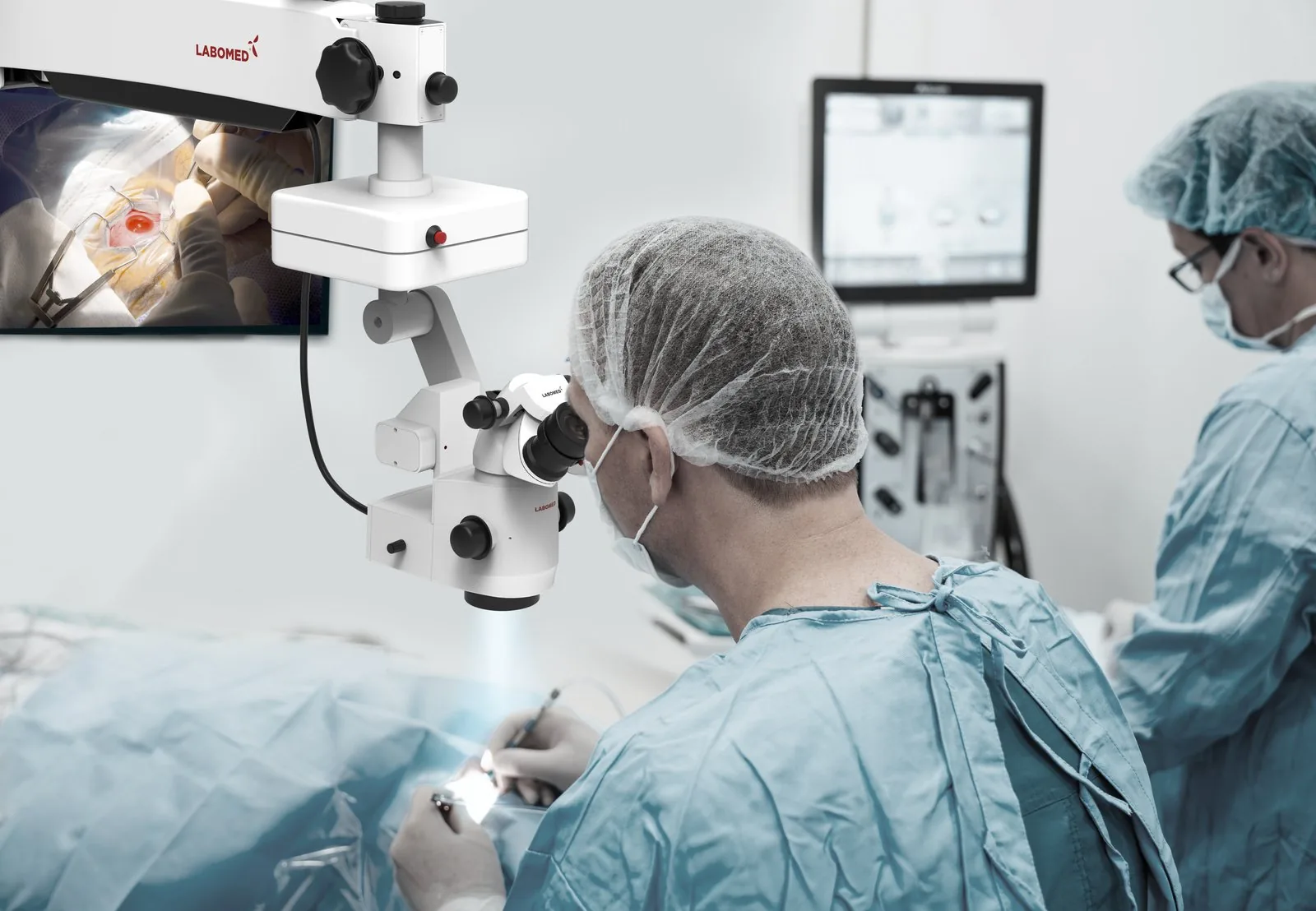
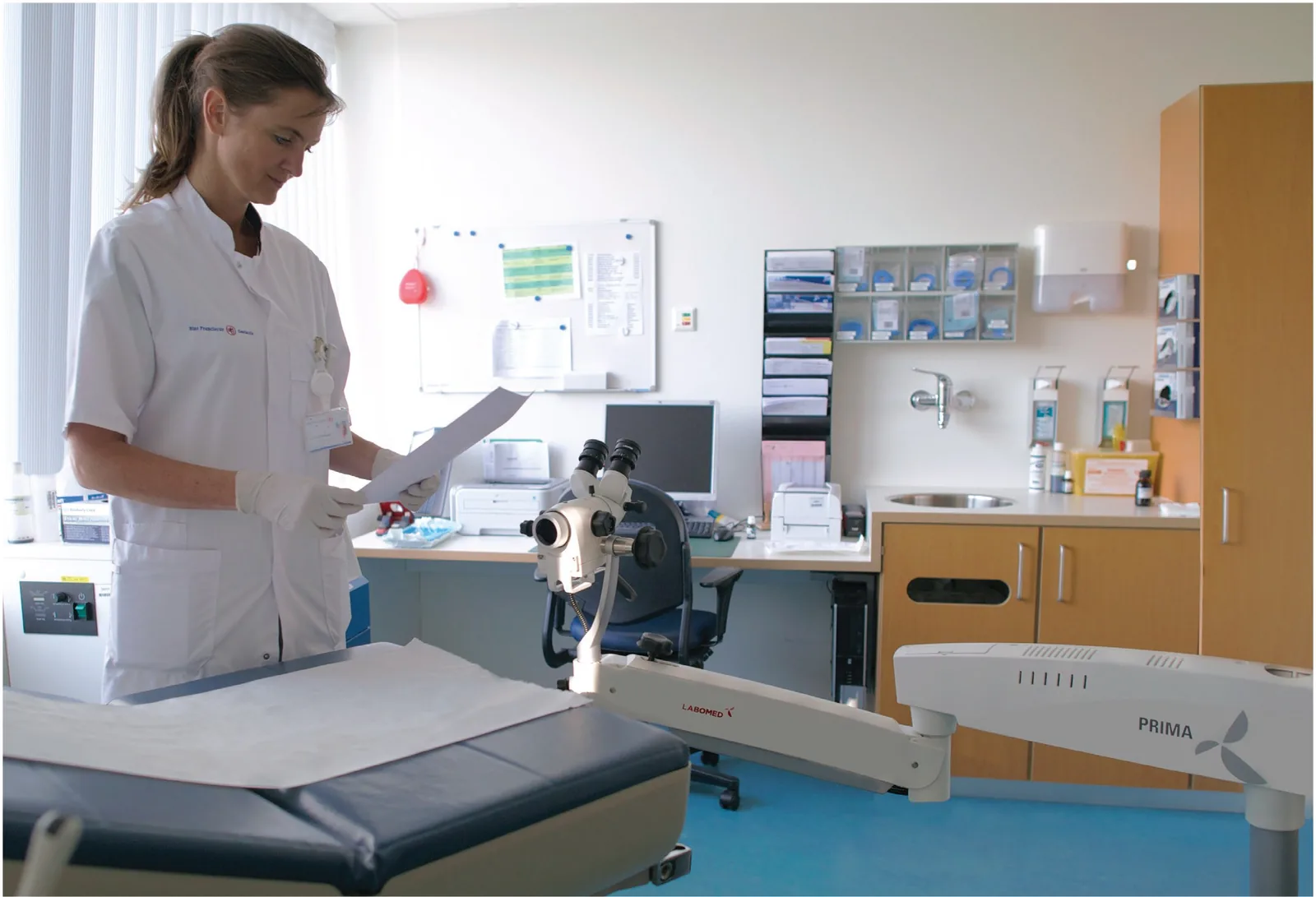
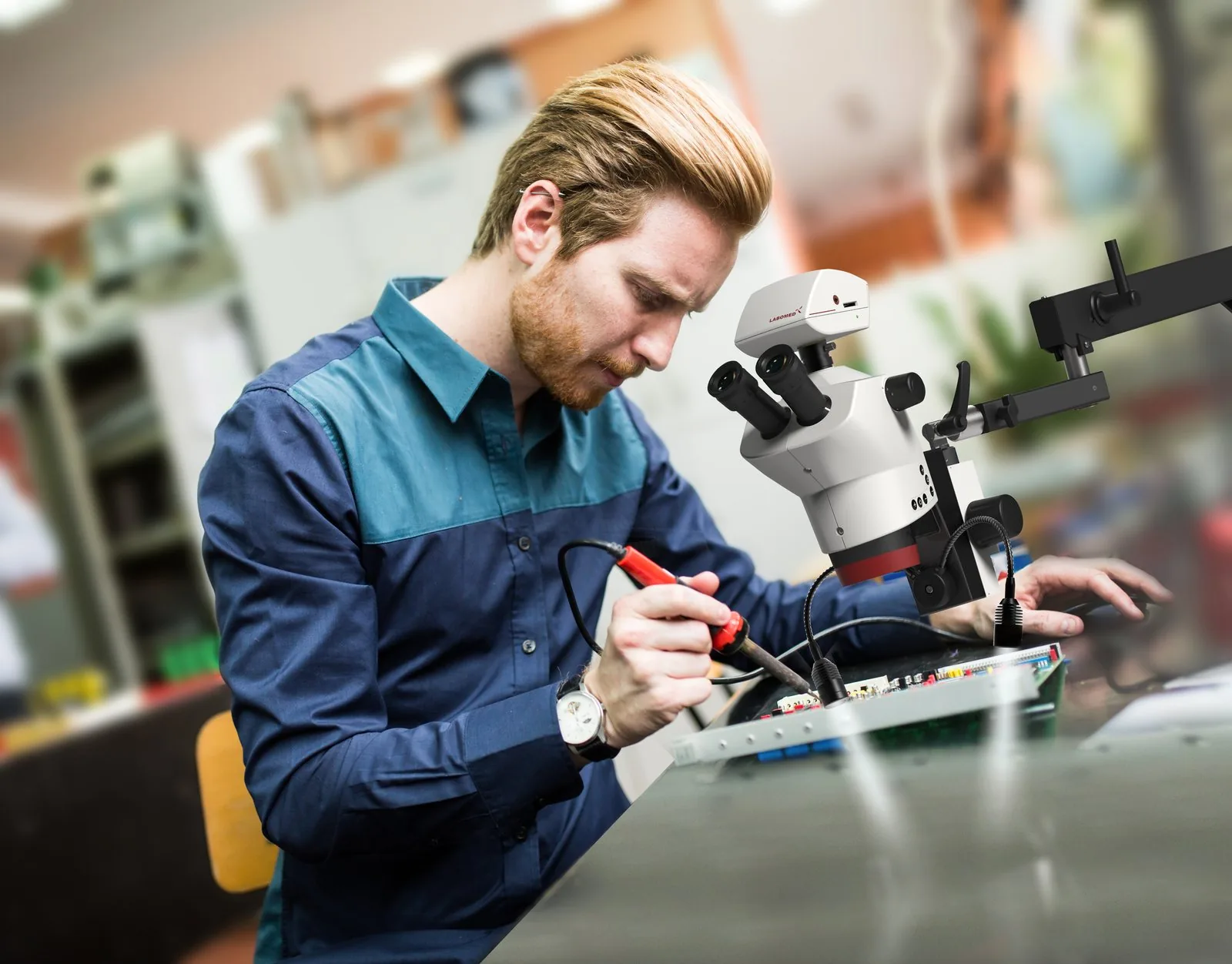
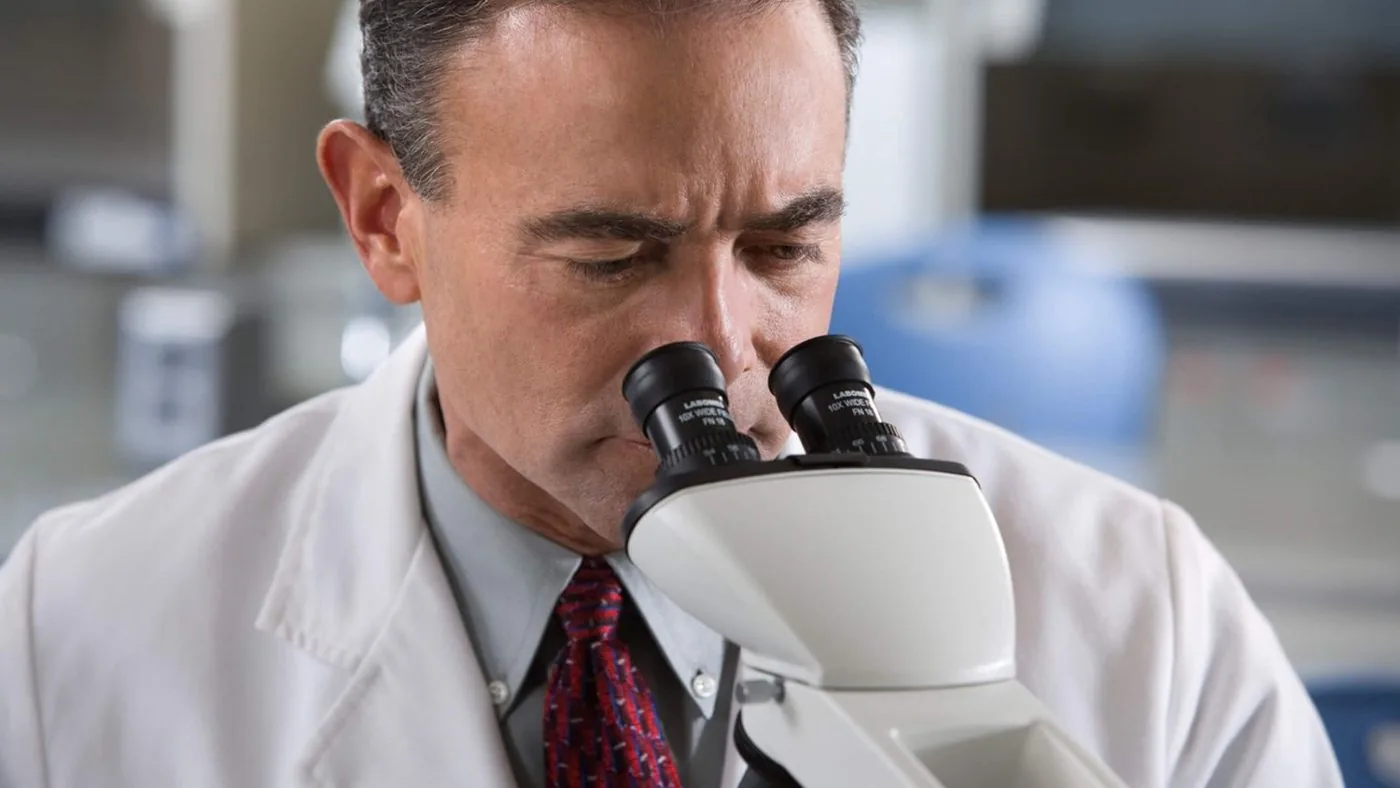
LABOMED microscopes in clinics, labs and on the bench. Select a photo to see it full size.

BUILD IT OUT

Configured to the task.

Every model below has an online configurator. Choose an application and the configurator lists the parts that make it work, with part numbers, ready to send for a quote.

Imaging and documentationCapture, stream and share what you see
Phase contrastUnstained live cells, cultures and tissue
Dark fieldBacteria, spirochetes, fine edges glowing on black
FluorescenceStained targets under LED excitation
PolarizationCrystals, fibers, birefringent samples
Teaching and reviewPoint, share and discuss with a second viewer
MeasurementCalibrated scales for sizing and counting
Auxiliary magnificationExtra objectives and eyepieces beyond the standard set
SALES AND SERVICESold and serviced by Labo America.Quotes, orders and service for North and Latin America, handled by our team in Fremont, California.
WARRANTY · MEDICAL PRODUCTS
INCLUDED AS STANDARD2 years on parts and labor
2 years on cameras
1 year on electrical parts
OPTIONAL ADD-ON · LIFETIME COVERLifetime cover can be added to any LABOMED medical model when you order. It is not included as standard.Ask about lifetime cover
Warranty terms
WARRANTY · LIFE SCIENCES PRODUCTS
5 years on parts and labor
2 years on cameras
1 year on electrical parts
Warranty terms
QUESTIONS BUYERS ASK

Which microscope does my clinical lab need?

Use an upright compound microscope for slides: the Lx 500 for laboratory and clinical applications with true Köhler illumination and a ceramic stage, or the Lx 400 as the scalable choice with rechargeable LED illumination. Use an inverted microscope, the TCM 400, for cells in flasks and dishes. Use a stereo microscope, the Luxeo 6i, for handling embryos and fine dissection.

READ THE FULL GUIDE

Upright or inverted microscope: which does my lab need?

An upright microscope looks down at a slide on the stage, which suits smears, tissue sections and stained specimens. An inverted microscope looks up through the bottom of a flask or dish, which suits living cells in culture. The Lx 500 and Lx 400 are upright. The TCM 400 is inverted, with long working distance phase objectives and a fixed 160 x 240 mm stage.

What is Köhler illumination and do I need it?

Köhler illumination focuses and centers the light so the field is evenly lit and you can control the illuminated area with a field diaphragm. It gives cleaner contrast and is standard practice for diagnostic work and photography. The Lx 500 has true Köhler illumination built in. On the Lx 400 you add it with the Köhler illumination attachment.

Do I need phase contrast?

Phase contrast is the standard way to see unstained, living cells, which are nearly transparent in bright field. The Lx 400 offers a phase objective set and a combined bright field, dark field and phase kit. The Lx 500 offers phase objectives with a Zernike kit. The TCM 400 ships with long working distance phase objectives.

Which microscope is used in IVF and embryology labs?

Most IVF labs use an inverted microscope to observe cells in dishes and a stereo microscope to handle eggs and embryos. In our range that is the TCM 400, listed for cell culture, IVF and fluorescence stains, and the Luxeo 6i stereo with a 6:1 zoom and a bright field and dark field transmitted light base for transparent specimens.

Contact us